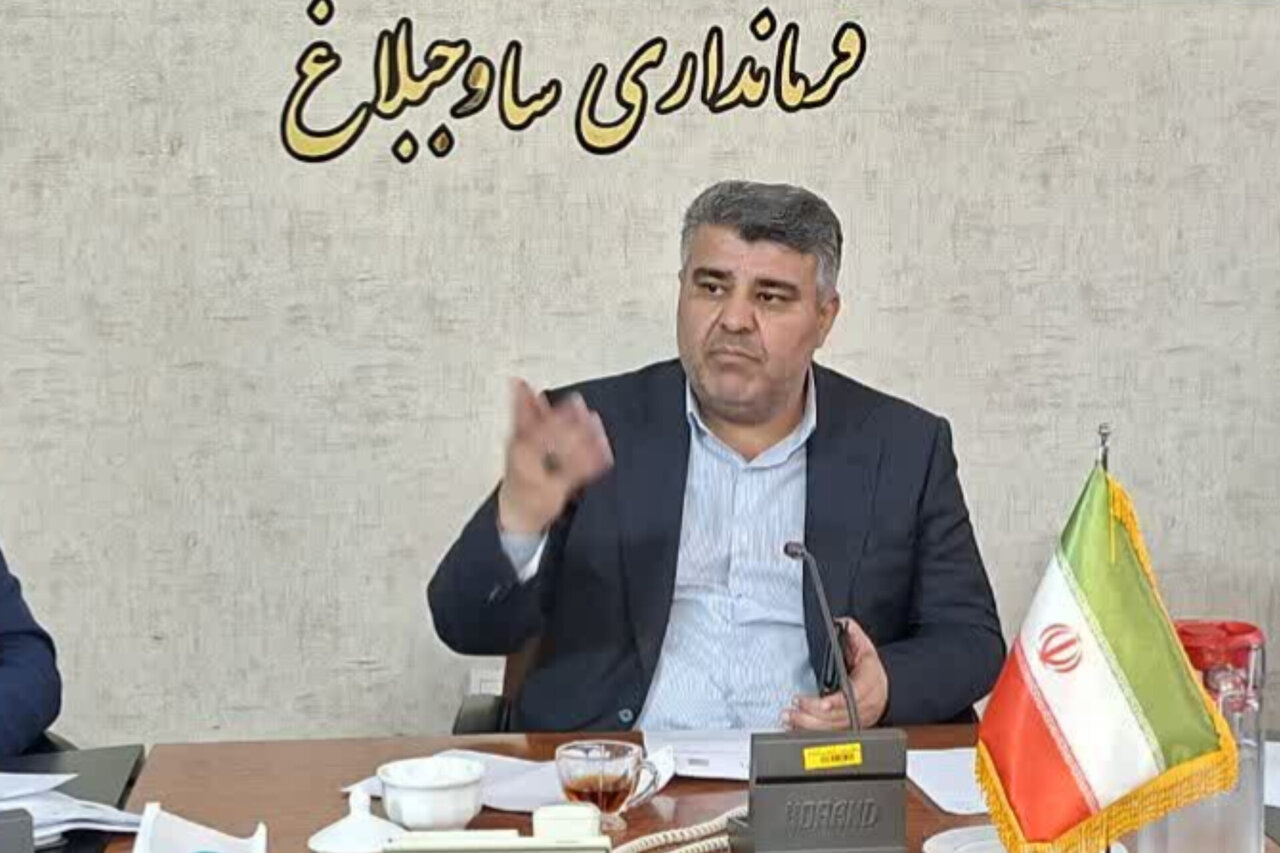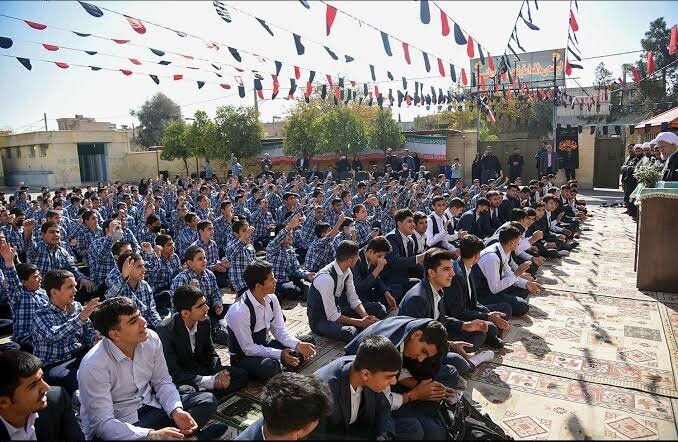
According to a Mehr reporter, Sadegh Hosseinzadeh Maleki, on Sunday evening in a meeting with Ayatollah Seyed Kazem Noor-Mofidi, the representative of the Supreme Leader in Golestan Province and the Friday prayer leader of Gorgan, stated: The programs of the Ministry of Education rest on three axes — justice, quality and identity — and educational activities must also be redesigned in proportion to the needs of the new generation, the developments of the day and the capacities of new technologies.
Pointing to the importance of providing the opportunity for responsibility-taking for teenagers, he added: Students are at a stage of life where the experience of participation and accepting responsibility can be effective in shaping their personality and strengthening their abilities; therefore, the ground for their active presence in school programs must be provided.
The deputy for educational and cultural affairs of the Minister of Education, pointing to the "Naghshineh" plan, said: This plan is pursued with the aim of increasing students' role-playing, so that part of the educational activities proceeds with their own direct participation.
Hosseinzadeh Maleki continued: In student programs, opportunities such as performing, reciting the Quran, eulogy recitation, performing anthems, and executive and disciplinary responsibilities must be placed at students' disposal, so that while participating in collective activities, they also experience social skills and responsibility-taking.
Emphasizing the need for educational activities to distance themselves from limited and purely occasion-based programs, he stated: Using the capacity of content-based entertainments, new technologies and diverse educational methods can provide the ground for wider participation of students and link educational activities to their everyday needs.
The deputy for educational and cultural affairs of the Minister of Education also stressed the importance of strengthening the educational lesson in all academic grades from first to twelfth, and said: Educational activities must come out of their theoretical and one-sided state and, with programs such as discussion about educational films and documentaries, group work and educational games, encourage students to active participation in the process of learning and upbringing.
Pointing to the necessity of attention to all student groups, he added: Educational programs must be inclusive, and students exposed to social harms must also have the possibility of presence and participation in these activities; because education must provide equal opportunity for the growth and flourishing of all students.
Hosseinzadeh Maleki, in another part of this meeting, considered presence before the representative of the Supreme Leader in Golestan an opportunity to benefit from his views and guidance in the field of education and upbringing, and, pointing to the position of education in the programs of the fourteenth government, stressed the continuation of attention to this field despite regional and international developments.
Source: Mehr