According to an ILNA reporter, the renewed increase in internet tariffs in Iran has been implemented at a time when users still face problems such as slow speeds, connection disruptions and restricted access to some online services. This cost increase, especially under wartime conditions and economic pressures, has raised serious questions about the proportionality of the price and quality of communication services.
The tariff increase by operators is justified by factors such as rising network maintenance costs, equipment procurement and currency fluctuations. However, users expect the increase in the cost they pay to lead to a real improvement in services, greater connection stability and fewer disruptions; an expectation whose realization requires transparency and accountability from operators and the responsible bodies.
The importance of this issue is doubled under wartime conditions. For many citizens, the internet is not merely a means of entertainment, but an essential tool for communicating with family, education, information and continuing business activities. Disruption in these services can increase people's everyday problems and impose more costs on households and businesses.
Under such conditions, the responsible bodies are expected to explain the reasons for the tariff increases, the state of network quality and specific plans to improve services. It must also be clear what recourse users have to pursue complaints and receive possible compensation in the event of prolonged disruptions.
The main issue is not just that the internet has become more expensive; it is the increase in costs without a tangible improvement in service quality. Users have the right to know what services they receive in return for the higher amount they pay, and what guarantee exists for improving internet quality.
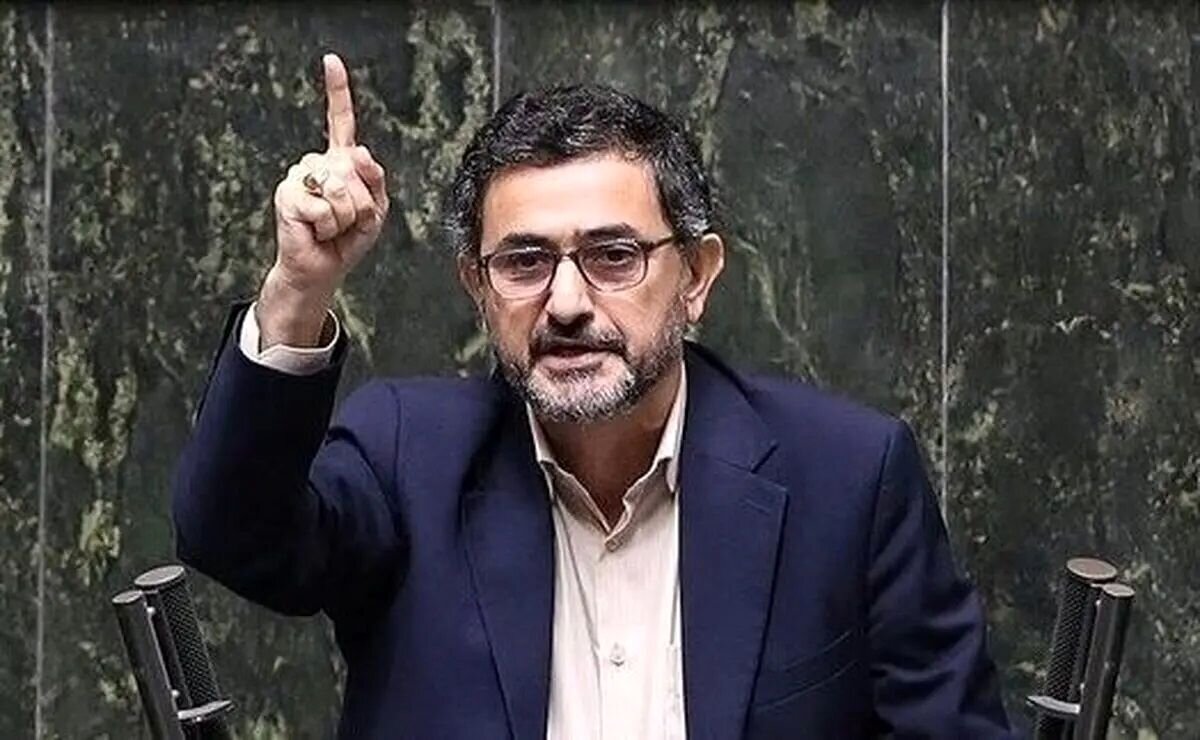
Mostafa Pourdehghan, in an interview with an ILNA reporter, about the renewed decision to increase internet tariffs and why this decision is taken by operators every so often while internet quality is by no means desirable, said: Now the Minister of Communications must come and answer; the President must answer, but the point is that the government itself creates all these issues. It raises all the reasons for the price increases, for example the rise in equipment prices.
This member of the Islamic Consultative Assembly's Industries and Mines Commission stated: All this equipment is imported; well, all of it is calculated at the dollar rate, and who brings about the rate increase? The government is bringing about this increase. We ask the Telecommunications Company why prices have risen. They say the dollar rate has gone up. We ask who raised the dollar rate. They say the government itself did it.
He continued: The government brings about all these issues, and it seems the government is not aware of these severe pressures on the generation that, in any case, uses the internet. This generation is mainly the youth, who use this space for economic matters or the everyday matters of their lives.
This member of the Islamic Consultative Assembly emphasized: Unfortunately, there is not even one person to come and give an explanation to the people; even to write two words about what the reason for this increase was. That on a Friday morning, like the gasoline affair, they come and increase internet tariffs by 40 percent; in these conditions, what position can the people take that they can defend? What protest can they still make?
He emphasized: This matter will be pursued again by us in parliament, and as soon as parliament opens, we will invite the minister and expect an explanation, to see what plan there is so that now that tariffs have at least increased, quality will also improve, and to see what actions will be taken in this regard, or at least that they reduce filtering.
Pourdehghan, in response to whether the commission has in this recent period, after the war, entered into the discussion of internet quality and filtering, said: No, after the war this issue was not pursued, because in any case the conditions became special conditions.
He recalled: We used to pursue these issues before the war; we pursued the reopening of applications and the removal of filtering, that is, the reduction of filtering, because when filtering is reduced, many of the people's infrastructure issues also improve.
This member of the Islamic Consultative Assembly said: On the other hand, we also agreed with the price increase, on the condition that, alongside it, quality would increase and filtering would also decrease. Yes, the operator, too, on this path could have purchased better equipment to provide better infrastructure and tariffs could have increased; but this process became one-sided; that is, the price increase was carried out, but none of the conditions we set in the commission and the commitments that were given were, unfortunately, fulfilled.
Source: ILNA News Agency