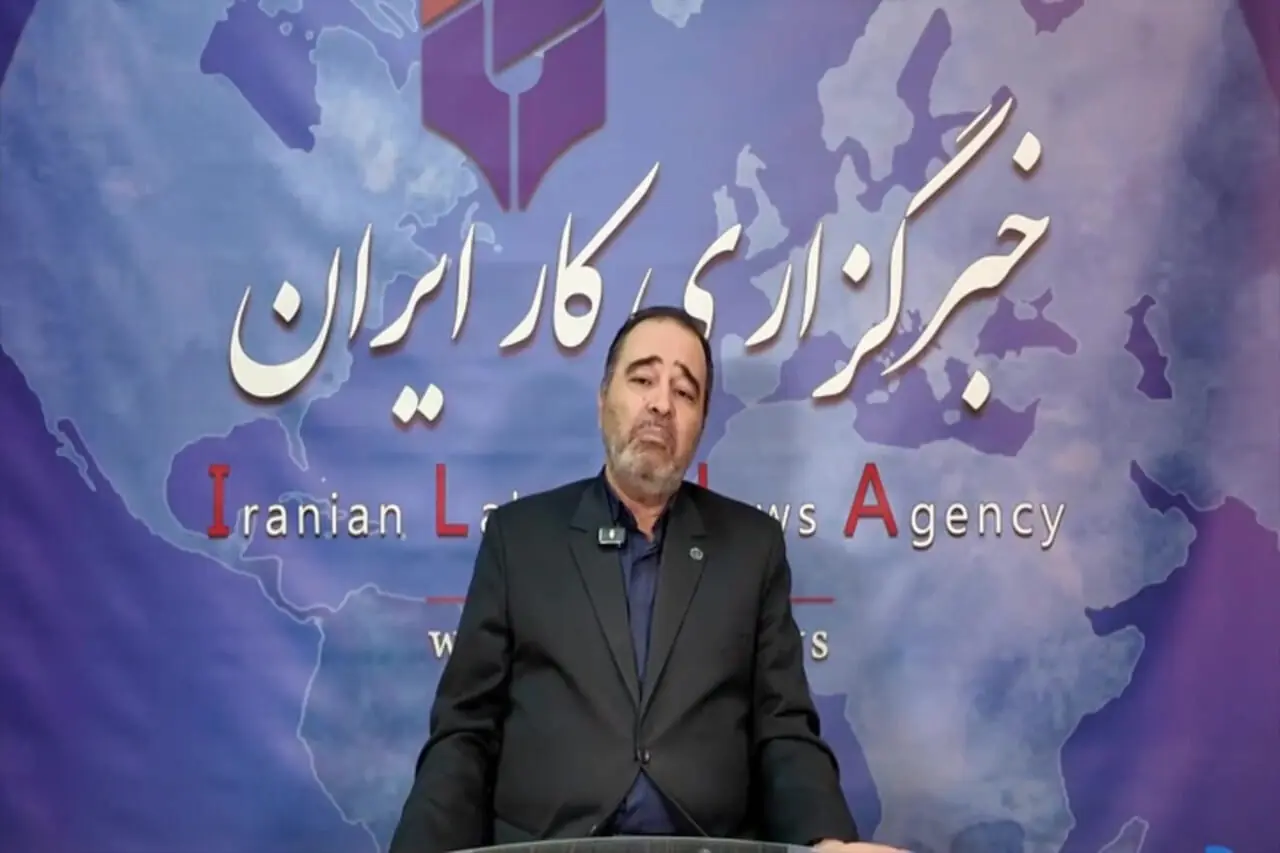
ILNA: "We are not far from reaching the mental health emergency point." This sentence is not just a headline; it is the shocking warning of the head of the country's Organization of Psychology and Counseling about a society part of which is becoming more exhausted every day under the pressure of inflation, economic insecurity, worry about the future and uncertainty, experiencing psychological fatigue.
Although sometimes media warnings are also futile, and sometimes not...
I hope officials do not pass over this headline easily; they pause for a moment, think, become sad, and read it over and over.
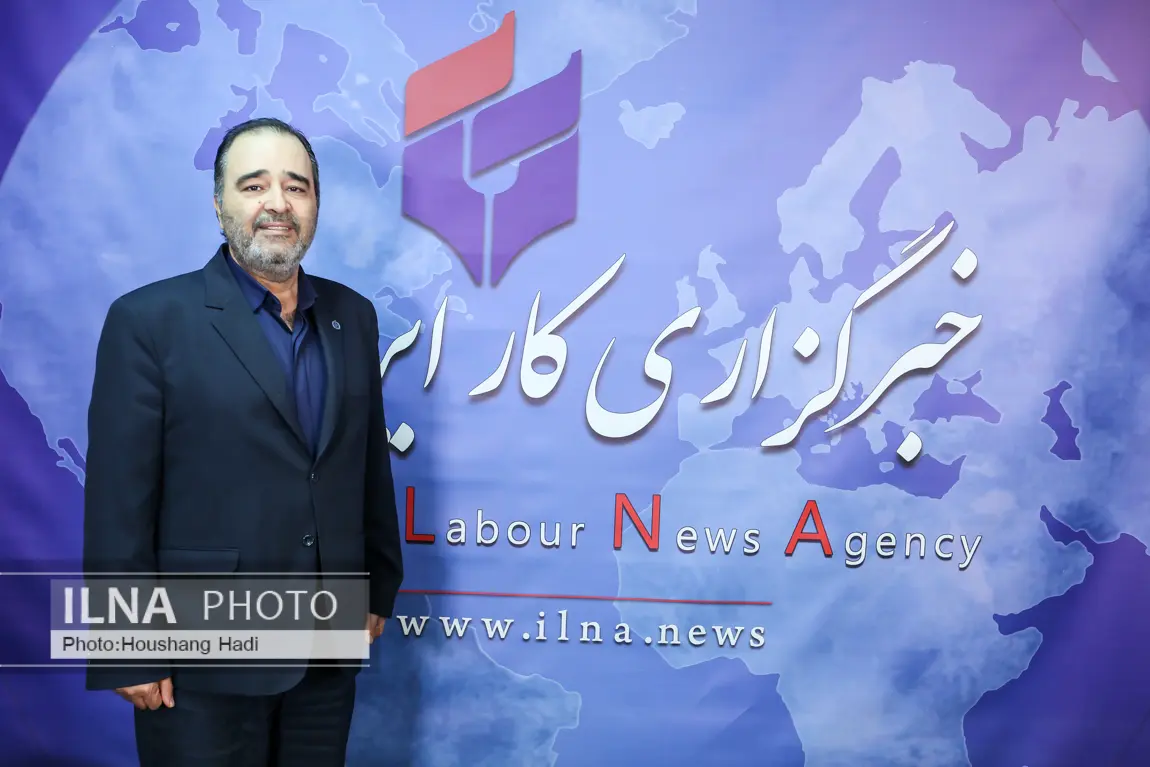
Below, read the text of ILNA's interview with Alireza Aghayousefi.
Given the country's conditions over the past year, including unrest and war, have you reached an assessment of the level of people's visits to psychologists and use of counseling services during this period compared with previous years?
The Organization of Psychology and Counseling is a professional organization whose task is to assess the competence of psychologists and counselors to provide services and to monitor the quality of these services. Therefore, conducting research in this field is not within our duties. In principle, this organization does not use government assistance and its resources come from members' membership fees. According to the law, these resources must also be spent on reviewing, assessing and issuing professional competence licenses for individuals. Therefore, as I said, the Organization of Psychology and Counseling has no duty in this field.
People's reduced ability to use psychology services as runaway inflation continues
I do not necessarily mean conducting an official survey. Given that you head an organization that is in contact with the community of psychologists and counselors, is there an estimate from the psychologists themselves indicating how people's visits over the past year have been compared with previous years?
Without precise research, no definitive statement can be made. Technically, in the field of psychology, when people are exposed to severe stress, depending on the amount of stress received and their physical and psychological capacities, they may face anxiety, depression, marital conflicts and physical illnesses over the following one to two years.But on the other hand, inflation is advancing at high speed, and this very issue reduces people's ability to visit psychologists and counselors; especially since psychology services are not covered by basic insurance. Therefore, many people who develop problems may not be able to visit a psychologist.
As a result, we cannot precisely assess that people's visits to psychologists have increased in the same proportion as social stresses have increased; because on the one hand the need for these services grows, and on the other hand inflation reduces the ability to use them.
So, given the current situation, does the organization have a plan to facilitate workers' and needy groups' access to mental health services? What actions have you taken in this regard so far?
A psychologist, counting five working days a week and five clients a day, if at full capacity, will have about 100 counseling sessions a month. Even if his monthly income is about 70 million tomans, after deducting rent, water, electricity, gas, telephone, service charges, reception and taxes, not much remains. Therefore, neither do people have the ability to pay the costs of psychological services, nor can the existing tariffs fully cover the costs of a counseling center or a psychology office.
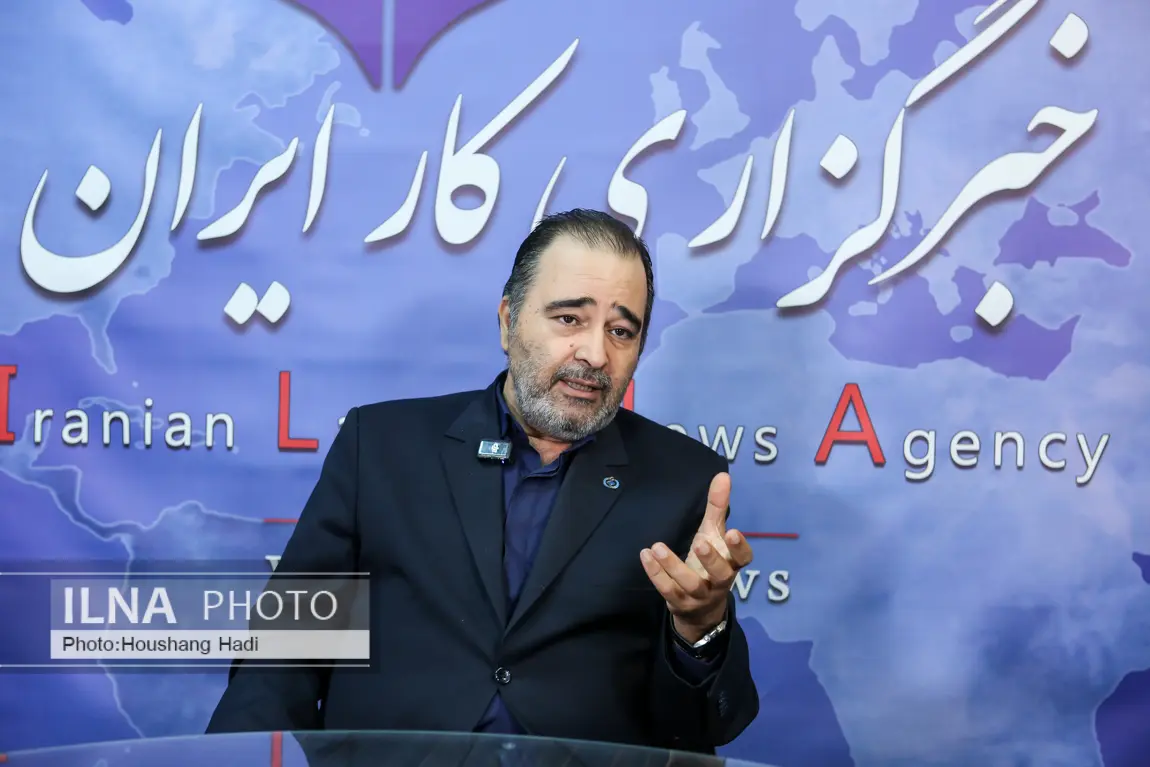
Presenting a plan for insuring psychology services
For this reason, the main solution is to use the capacity of insurance; especially since psychological and counseling services also have a preventive aspect. To this end, we have drawn up a plan and presented it to the organization's Central Council. If it is approved and a license is issued, we will compile clinical guidelines and treatment instructions in a standardized manner and advance their pilot implementation under the supervision of the Supreme Council of Health Insurance. If approved, the ground will be provided for these services to be covered by insurance.
Well, when will this plan come to fruition?
Everything depends on our Central Council deciding on this plan as soon as possible and approving it. We are fully ready from an executive standpoint, and one of my main goals in accepting this responsibility has been precisely this issue. This issue is not an individual matter or even merely a professional one; it is a social issue.
Four months have passed since the plan was presented, but it has still not been approved by the Central Council!
Given the differences between you and the Central Council and this Council's decision to remove you, do you think these differences may prevent the realization of your plans? Currently, what is the state of your relationship with the Central Council?
Currently, the situation is relatively good. However, I believe this issue should be put on the agenda with greater urgency. If we prioritize social interests, this plan should be reviewed and approved as soon as possible so that we can provide services to the people. About four months have passed since we presented the plan, and in the current inflationary conditions, this is a significant period of time.
Suggestion to factory owners: Get a license from us to hire a psychologist for workers' mental health
Until the plan to insure psychology services becomes operational, what solutions do you propose to facilitate workers' access to counseling and psychology services?
There are service centers covered by the Welfare Organization and the Ministry of Sports and Youth, and the Organization of Psychology also operates in this field. Of course, one of the important capacities is using the facilities of factories and large companies. These complexes can obtain a license from the organization to set up a counseling center and provide psychology services as part of their employees' welfare services.
Companies can hire psychologists or, using the capacity of counseling centers, provide the services employees need. The organization can also, within the framework of regulations, introduce the necessary licenses and a technical manager. For example, consider a factory with a thousand workers. Such a complex can allocate part of the resources it considers for employee welfare services to providing psychology services and employ a psychologist in its complex for a period.
In addition to helping employees, this measure can also be effective in solving occupational and organizational problems; including conflicts among workers, disputes between workers and managers, or employees' resistance to organizational changes. In such circumstances, a psychologist can help with persuasion so that employees understand what benefits the proposed changes have for them and their concerns are reduced.
Of course, providing these services must be proportionate to workers' conditions. Just as providing psychological services to different social groups requires familiarity with their culture, conditions and characteristics, in the case of workers it is also necessary for the psychologist to be familiar with the workers' context, working conditions, shifts and occupational problems.
If a factory proceeds according to specific standards and protocols, it can observe significant changes within a year. For example, a worker should feel that the factory where he works values him and his family. If on occasions such as Girls' Day, employees' families are taken into consideration and the complex's officials pay attention to their situation, this sense of belonging is strengthened.
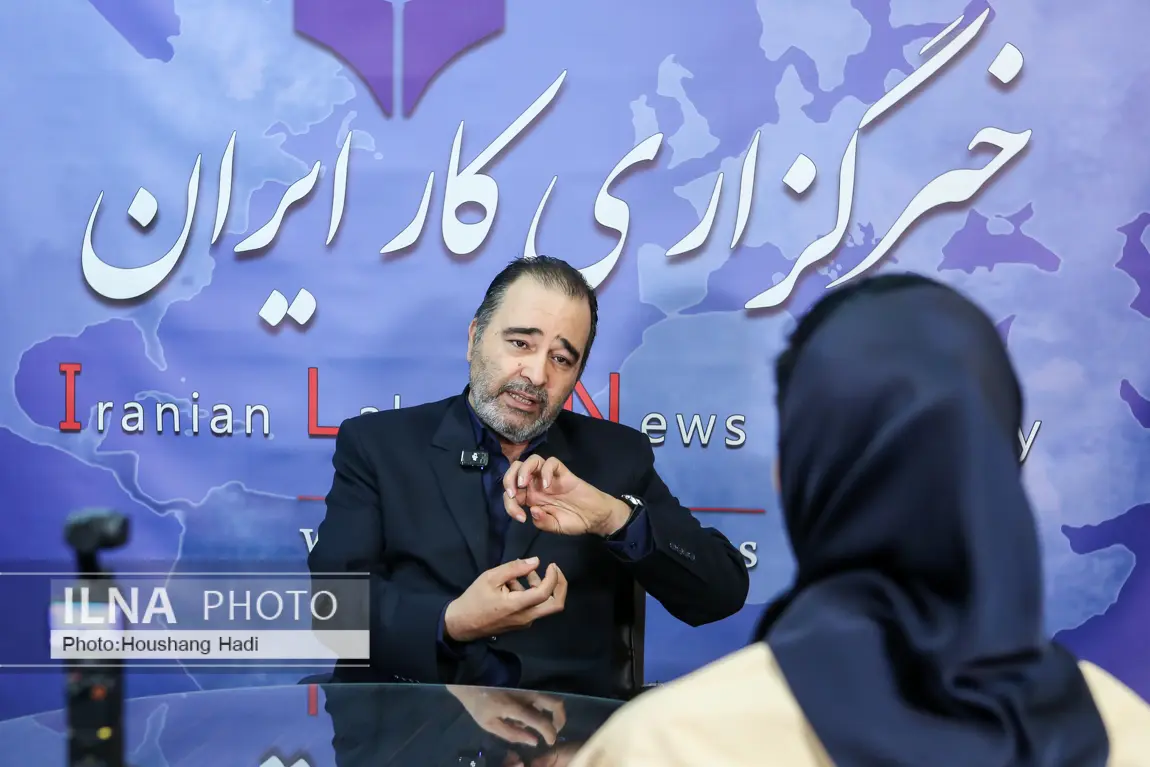
Also, if a shift supervisor notices that a worker is under pressure due to family problems or conflict with his spouse, he can refer him to the factory's counseling center and, if possible, give him time to visit.
In such circumstances, the worker feels that the complex respects him and his health and personal life matter. This sense of worth can positively affect his motivation and performance. When a worker feels valuable to the complex, it is natural that he works with more motivation and has a greater sense of belonging to the work environment.
How much of the increase in social harms we face today, including family murders, can be due to years of officials' neglect of insurance coverage for mental health services?
This issue can be one of the factors, but not the only factor. It seems our social situation is moving somewhat toward anomie or social normlessness. When social stresses increase, gradually worrying events may occur; including a rise in the age of marriage, the spread of addiction, and families being put at risk.
Murder has been drawn from the level of society into the family
Attachments and emotional relationships among family members may also be harmed, and one of its consequences can be the occurrence of events such as family murders.In the past, we might have witnessed conflict and murder between two sides of a village or between tribes; but when the issue is drawn into a family, a more serious alarm sounds.
This issue has social, economic, psychological and political dimensions and must be examined from all these angles. However, as an organization active in the field of psychology and counseling, we try to play our part. In various meetings, from parliament to the presidency and other institutions, my focus has been on insurance for psychology and counseling services.
Given the rising inflation rate and its impact on society's mental health, how do you assess the outlook for this situation in the future?
I think in the end we will inevitably have to move in the right direction; but I hope we do not reach a point where the statistics of mental disorders, social problems and physical illnesses have increased so much that compensating for them becomes very difficult.
My concern is that we delay so much in prevention that to return to today's situation, we will have to pay much higher costs. Today we talk about prevention, but in the future we may be forced to talk about emergency treatments.
Let me give an example. Consider a person who has diabetes and needs foreign insulin to continue treatment, but his required medicine is not covered by insurance. The cost of the medicine may account for a large part of a worker's monthly income. Naturally, in such circumstances, the person is caught between paying the cost of the medicine and meeting the daily needs of himself and his family. He may not be able to continue treatment properly due to financial problems and his illness may progress.
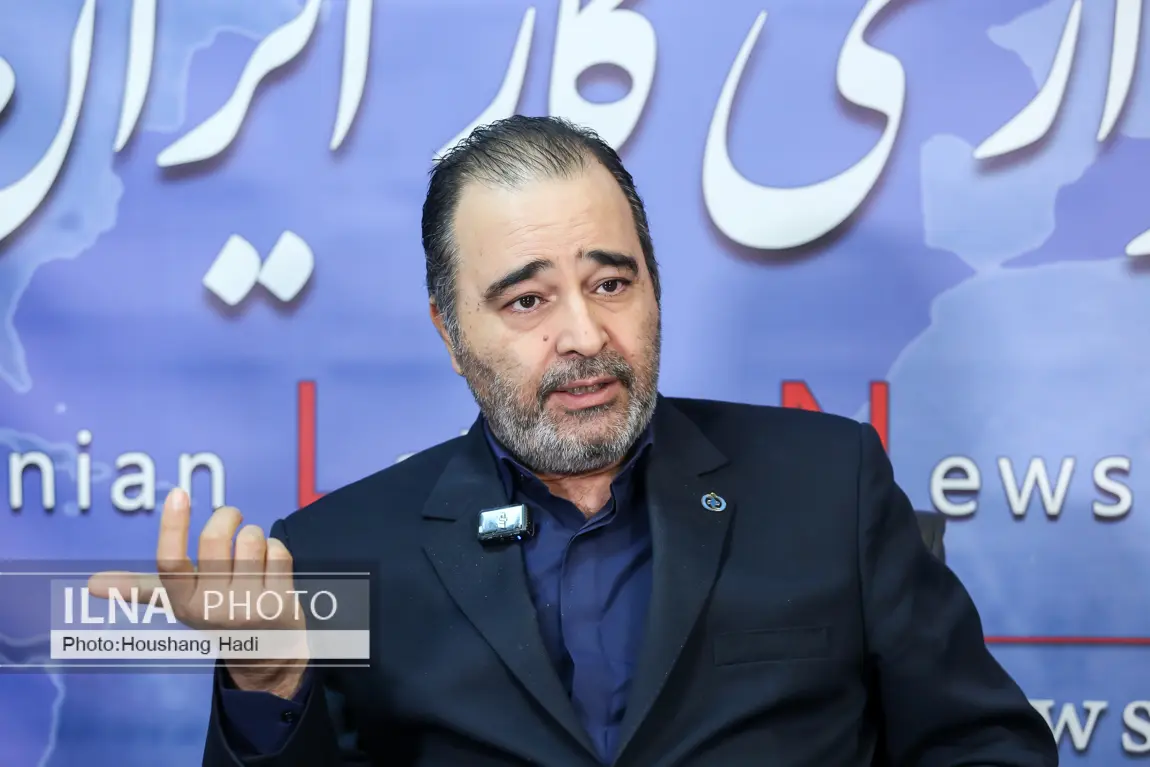
The government will face heavy treatment costs in the future
In that case, the government will in the future face heavy costs of treatment, surgery, disability and paying pensions to the person's family. Moreover, the absence of the father or family head due to illness and disability also has psychological and emotional consequences for family members.
If the person's required medicine had been provided free of charge or at a reasonable cost from the beginning, its cost would have been far less than the heavy costs of treating advanced complications of the disease. In the field of mental health too, we must have this same preventive outlook. Investing in prevention can prevent the imposition of heavier costs in the future.
We are not far from reaching the emergency point
In your opinion, how far are we from the emergency point?
I do not think we are far. Divorce rates, marriage rates and fertility rates are all worrying topics. I am not talking about individuals' personal choice to have children or the number of their children; that is up to individuals themselves. Concern arises when a person wants to have more children but abandons this decision due to financial inability. In the long run, we must pay attention to prevention. We may not have much time, but we must do this work.
On the other hand, physical problems are also considerable. Long-term stresses can affect physical health. People may try to control psychological pressures and continue daily life, but these pressures can be accompanied by physical problems in the long run.
In recent months, we have witnessed shocking news of mass family murders. In your opinion, what are the most important underlying factors of these incidents and which factors play a more prominent role in their occurrence?
I do not have precise official statistics at my disposal and cannot make a definitive statement about an increase in a specific crime without statistical data. But if and only if the rate of family crimes has increased, this is a warning bell, because it can indicate that emotional bonds, family cohesion and attachment among family members are facing a crisis.
When family members stand against each other!
In circumstances where people are in a difficult situation and resources and facilities become limited, relationships among them may also come under pressure. This situation can be seen in some stories and films; people who initially cooperate with each other, but as problems and resource shortages increase, they gradually stand against one another.
If such a situation reaches the family level, it will be even more worrying. I emphasize that I do not have specific statistics about an increase in these crimes and I am merely explaining the theoretical basis of the issue.The family is one of the main cores of social life and its members are together to meet their needs and survive. If relations within this core face a crisis, it may be a sign of deeper social harms.
What effects do the current conditions of neither war nor peace and the resulting uncertainty have on society's mental health?
It should be noted that the general situation of society in conditions of "neither war nor peace" can create significant psychological pressures. A living being has needs and, in the face of threats, tries to meet its needs and repel threats. When needs and threats exist simultaneously, threats take priority.
Among threats, uncertainty and ambiguity are among the most difficult situations; when a person does not know what is going to happen and cannot plan for his life.
In general, uncertainty can create severe anxiety, and this anxiety in the long run may lead to psychological and physical burnout. Some physical consequences may appear one or two years later. For example, chronic stress can be accompanied by prolonged muscle contraction. When a person cannot properly relax his muscles even during sleep, problems may arise in the muscles, joints and spine.
Long-term stress can also be accompanied by increased stomach acid secretion and digestive problems. Some physical diseases may also appear in connection with multiple factors, including chronic pressures. Of course, determining the exact relationship between these factors and each disease requires scientific and medical examination.
In the psychological field too, family conflicts may be more visible than symptoms such as panic attacks. When people become anxious and restless, their tolerance threshold decreases and they may react more quickly toward those around them.
Intensification of family conflicts following increased psychological pressures
The closest people to each person are his family members. Therefore, increased psychological pressure can intensify marital and family conflicts and subsequently the possibility of increased divorce is also raised. These are consequences we must be sensitive to.
Of course, alongside harms, we must also see the positive events of society and inform about them. Not everything is negative; in personal and social life, alongside difficulties, good events also happen and we must see them too.
I know that sometimes talking about people's resilience may be annoying for them; especially when they are tired of the existing conditions. But in the end, we must think about how we can help people who are exposed to harm.
My personal motto in life is this: "Life is my chess arena."
Even in the most difficult conditions, control your excitement, think, anticipate and arrange solutions. Evaluate the solutions and implement the best solution with the least harm. Beyond this, our ability as individuals is limited. Each of us must try, within our ability, to perform at our best.
We must see conditions as they are
But our country's conditions are special. On the one hand, there is concern about the possibility of war breaking out, and on the other hand, inflation and economic pressures continue. Can these recommendations still be effective in such conditions?
As individuals, we do not have unlimited power to change the world. If we had such power, perhaps we could change many events; but the reality is that we do not have such ability. What we have at our disposal is managing daily life and trying to preserve our own health and the health of those around us.
I have experienced eight years of imposed war and four years of that period, in conditions of urban bombardment, I was a Red Crescent relief worker. My own house was also hit by a missile at that time and I myself became anxious in those conditions. During that period, our focus was on the fact that we are in a war situation, we must defend our soil and identity and support people who are harmed.
Today we must think that we are in a situation much of which is beyond our power and control. The main question is what each of us can do within our power. We must not look at the world with an unrealistic view; we must see conditions as they are and decide to manage our own lives.
Interview: Mona Rajabi
Source: ILNA News Agency


No comments yet — be the first to share your view.