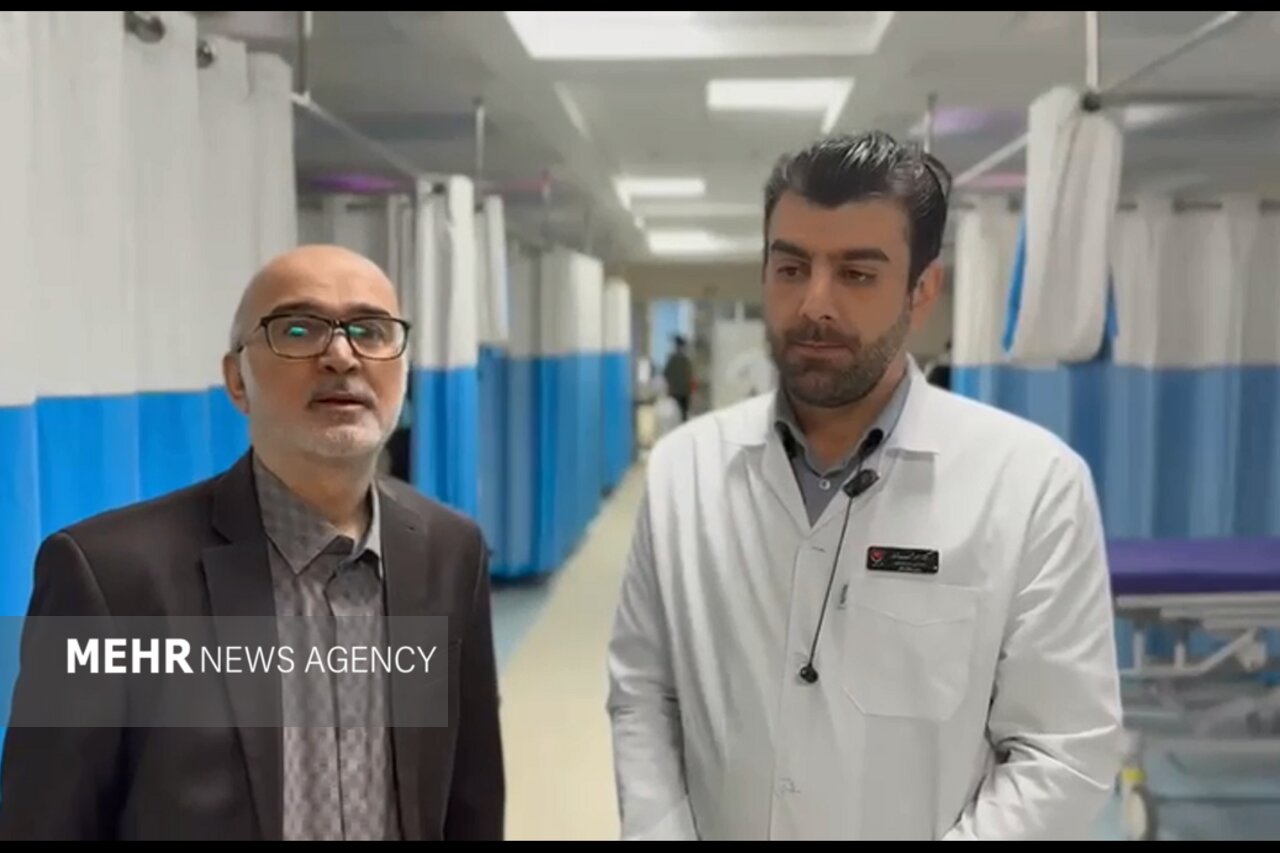
According to IRIB News, Alborz Center , Javad Salimzadeh, a physician and specialist surgeon, on the "Be Khane Barmigardim" program of Alborz Radio and Television, emphasizing the importance of public awareness about stomach cancer, said: Early satiety, loss of appetite, unexplained weight loss, and anemia are among the signs that, especially if they persist, require medical examination.
He added: People who feel full after eating a small amount of food or who have a noticeable change in their appetite should not ignore these symptoms. Also, anemia, especially in cases where it has no clear cause, should be examined for its possible origin, and its treatment should not be limited to taking iron supplements.
This specialist considered a family history of stomach or intestinal cancer in first-degree relatives and persistent digestive pains to be among the matters that require greater attention, and emphasized: A family history should be raised when visiting a doctor so that the need for further examinations can be determined based on each individual's conditions.
Salimzadeh, referring to Helicobacter pylori infection, counted this bacterium among the known factors associated with an increased risk of stomach cancer, and said: If the infection is confirmed, appropriate treatment prescribed by a doctor can help eradicate it. People who suffer from stomach pain for a long time are also better off following up the cause of the problem in a principled manner and refraining from taking or changing medications on their own.
He also explained about stomach reflux: The return of stomach contents to the mouth and some accompanying symptoms, if repeated and persistent, require medical evaluation. Chronic reflux in some people can damage the esophagus and increase the risk of certain complications, including precancerous changes; therefore, its diagnosis and control are important.
This physician and specialist surgeon, stating that a cancer diagnosis does not mean the end of the road for treatment, said: After the disease is identified, determining its stage is essential for choosing the treatment method. Doctors decide on the treatment path according to the patient's condition and the results of examinations such as endoscopy, imaging, and assessment of the spread of the disease.
He continued: Depending on the stage of the cancer and the patient's condition, treatment may include chemotherapy, surgery, or a combination of treatment methods. The type of surgery is also determined according to the location and extent of stomach involvement, and decision-making must be done with the participation of the relevant specialists.
Salimzadeh, in another part of this conversation, considered reforming dietary patterns important alongside other health-oriented measures, and recommended that consumption of fresh and minimally processed foods be increased, overeating be avoided, and consumption of very hot drinks be reduced. He also emphasized the necessity of relying on scientific evidence in examining the risk factors of the disease.
This specialist, warning about advertisements for unscientific treatments, stated: Patients should not set aside standard treatments in the hope of so-called miracle methods, or change their course of treatment without consulting a doctor. Any complementary method must also be used with the doctor's opinion and without replacing the main treatment.
Salimzadeh, in conclusion, considered following up suspicious symptoms, accurate diagnosis, and adherence to the treatment plan to be among the effective factors in managing stomach cancer, and announced that in a future episode of "Be Khane Barmigardim," the topic of intestinal cancer and the ways to diagnose and treat it will be examined.
Source: IRIB News