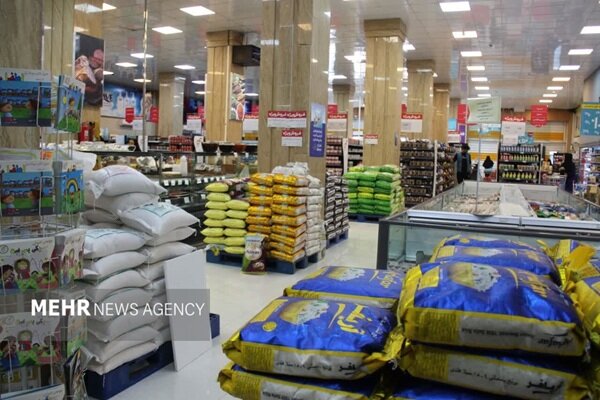
Majidreza Khaki, secretary of the Iran Rice Importers Association, in an interview with Mehr's correspondent, criticizing the non-implementation of the President's order to pay 50 percent, on account, of the currency claims of importers of essential goods, said: With more than 100 days having passed since this order was issued, the claims of activists in the rice import field remain unresolved, and importers who have put their capital and credit on the line to supply one of the country's most strategic essential goods are in difficult conditions and have sometimes reached the brink of bankruptcy.
He added: About 960 million euros of the total 4 billion euros of preferential-currency claims for essential goods relates to rice shipments that entered the country between Bahman 1403 and the time of the removal of the preferential currency, that is, the beginning of Azar 1404, completed the legal formalities, and were delivered to the distribution network at approved prices or placed at the government's disposal; nevertheless, the currency for these shipments has not been paid, and this 21-month delay in settling the claims has imposed a crushing pressure on the activists of this industry.
100 days of waiting for the implementation of the President's order
Khaki, referring to the association's numerous follow-ups to settle the currency claims, said: The issue has been pursued at various levels, and even the order for a 50 percent on-account payment of the claims was issued by the President in the month of Tir of this year; but the point is that issuing an order, without its practical implementation, does not untie any knot in the importers' problems.
He said: Now, after about 100 days have passed, we expect the responsible bodies, instead of continuing correspondence and referring the issue among different departments, to begin the necessary executive actions.
Doubled pressure on the capital and credit of suppliers of essential goods
Khaki, stating that the delay in paying claims goes beyond an accounting issue, said: Importers, in addition to their obligations toward foreign sellers, must also provide bank and tax costs, employee salaries and other current expenses. While their currency claims have not been paid for long months, companies' working capital has been locked and the ability to finance new shipments has decreased.
He added: On the other hand, these companies cannot, because of the government's broken promise, postpone their contractual obligations toward foreign sellers; a situation that puts the commercial credit gained from years of international cooperation at risk of damage.
The continuation of this situation will affect the future supply of rice
The secretary of the Iran Rice Importers Association, emphasizing the role of the private sector in supplying this essential good, said: Given that domestic production meets about 60 percent of the country's rice needs, the continuation of imports is necessary for the stable supply of the market. Import statistics also show that in the first seven months of this year, about 700 thousand tons of white rice entered the country, which is a decrease compared with the same period last year; nevertheless, 90 percent of these imports were carried out by the private sector. These statistics indicate the central role of the activists of this sector in supplying the country's needs and preserving food security; a role whose continuation depends on preserving the financial capacity of and the government fulfilling its obligations toward importers.
He emphasized: Continuous rice imports need working capital, credit with foreign suppliers and the possibility of financing subsequent shipments. Therefore, the continuation of the claims' uncertainty not only increases financial pressure on companies, but also endangers planning for future imports and the stability of the rice supply chain. Settling these claims is not merely settling past debts, but a necessary action to preserve import capacity and the continuation of supply of this essential good.
Suppliers' demand: Implementation of the order and announcement of the payment schedule
This guild official emphasized: The association's demand is clear; the President's order about the on-account payment of claims must leave the stage of correspondence and follow-up and lead to practical action. It is also necessary for the mechanism and schedule for settling the remainder of the claims to be specified. We expect the responsible bodies, while urgently settling the claims, to present a clear and reliable plan for payment.
The secretary of the Rice Importers Association stated in the end: The private sector, in difficult economic conditions and goods-supply limitations, has done its responsibility toward the market and consumers. The continuation of this cooperation requires the timely fulfillment of the government's financial obligations; because sustainable food security will not be possible without preserving the capital and commercial credit of suppliers, especially in these special conditions of the country.

Source: Mehr News Agency