Online group of Donya-e-Eqtesad Newspaper - Kamran Karami: Riyadh was scheduled to host the second joint summit of the European Union and Gulf Cooperation Council leaders on October 24; a summit that could have gone beyond a diplomatic meeting to portray Saudi Arabia's new standing in global economic and political equations. However, this meeting was postponed before reaching the negotiation table.
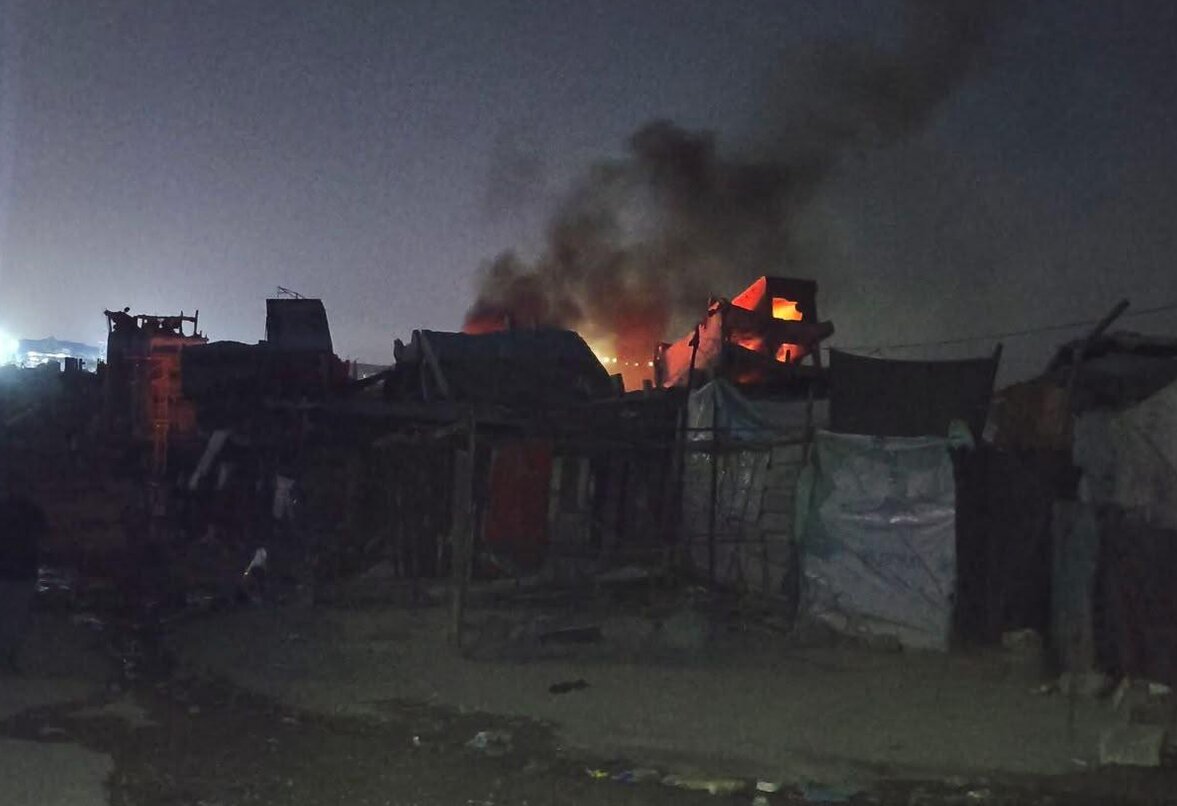
The GCC Secretariat cited the continuous threats by Yemenis against Saudi Arabia and the ongoing suspension of flights at King Khalid International Airport as reasons for this decision. A few days prior, the Future Investment Initiative, known as "Davos in the Desert," had been postponed to 2027, and the Red Sea International Film Festival also moved its next edition to next year. Putting these events together raises a question beyond the fate of a few events: Can Saudi Arabia continue to present itself as a secure destination for global capital, trade, and diplomacy when regional insecurity has drawn close to the heart of its territory? The significance of these postponements should not be measured solely by the calendar of events; within the logic of Vision 2030, Saudi Arabia seeks to distance itself from an oil-dependent economy and become a hub for investment, tourism, technology, entertainment, and financial services. Achieving such a goal does not depend solely on capital and mega-projects; above all, it requires predictability. Foreign investors must be able to calculate risk, international managers and companies must be assured of the possibility of travel and secure operations, and global event organizers must know that security tensions will not fundamentally disrupt their plans. When investment conferences are postponed, the issue is not just the loss of a few days or potential contracts; the credibility of the economic environment is also put to the test—an environment that today is measured by geography. Insecurity in the Red Sea can disrupt trade and communication routes, and threats in the Strait of Hormuz can affect energy transfer and oil market calculations. For Saudi Arabia, these two routes are not merely passages for trade; they are part of the geopolitical infrastructure of its economic development. The more the costs of insurance, transportation, and protection of sea routes increase, the more part of the region's economic advantage comes under pressure, and thus security risk goes beyond the military arena to become a cost for development plans. From this angle, the importance of the summit with the European Union becomes clearer. For the GCC countries, Europe is not just a trade partner; it is also a source of capital, technology, industrial cooperation, and diplomatic capacity. According to data from the Council of the European Union, the value of merchandise trade between the EU and the GCC reached 165.6 billion euros in 2025. The issue ultimately is not a choice between the US and Europe; the issue is Saudi Arabia's ability to maintain a soft balance among partners and turn the diversification of foreign relations into a tool for de-escalation. This balance requires maintaining a security bond with Washington, expanding economic and diplomatic cooperation with Europe, and simultaneously seeking political paths to contain regional crises, especially in Yemen. The experience of recent years has shown that the Yemen crisis has no simple military solution, and the continuation of the logic of confrontation can reproduce security and economic costs. A policy that pursues security solely through military pressure and alignment with a foreign power may have short-term benefits, but by itself it does not provide the necessary foundations for long-term stability. Therefore, the postponement of the Riyadh summit showed that Vision 2030 cannot be separated from its surrounding geopolitical environment. To become a capital and trade hub, Saudi Arabia needs more than tall towers, massive projects, and international events; it needs a region whose risks are manageable. Economic development without balanced diplomacy and de-escalation will always face an impasse that may manifest this time not in the calendar of a summit, but in the long-term calculations of investors.Source: Donya-e-Eqtesad