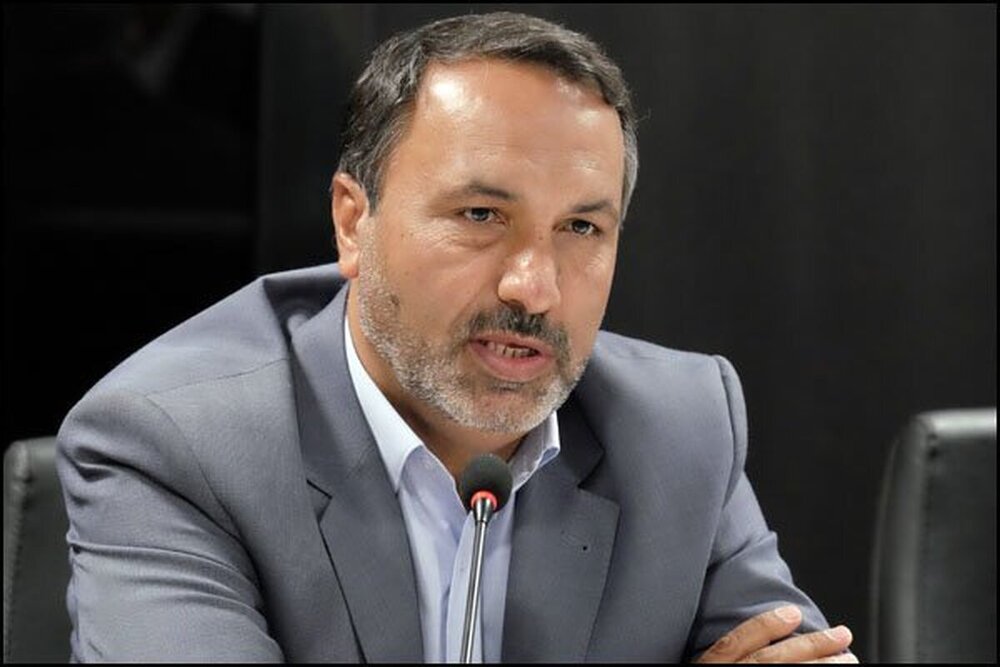
Pointing to the 75 percent urban and 25 percent rural population distribution in the country, the Chairman of the Civil Commission of the Islamic Consultative Assembly (Parliament) stated that a lack of transparency in land data and rural development plans, alongside the activities of brokers and intermediaries, has led to soaring land and housing prices in villages, making it difficult for some villagers to become homeowners.
According to ISNA, Mohammadreza Rezaei Koochi, speaking at the unveiling ceremony of the Islamic Revolution Housing Foundation's new system called the "Structure System" and addressing the challenges facing villagers, noted that multiple factors contribute to rural migration to cities today, and the decline in the population share of rural areas to about 25 percent indicates that we have faced difficulties in providing the necessary services for this population.
Stating that employment, livelihood, and housing are among the most crucial issues for villagers, he added: "In the realm of rural land and housing, the lack of transparency regarding development plans and the presence of brokers and intermediaries have driven up prices, to the extent that some people face challenges in securing suitable housing even in their own native villages."
Emphasizing the necessity of coordination among responsible bodies in rural development, the Chairman of the Parliamentary Civil Commission asserted that various institutions hold responsibilities concerning employment, housing, and other rural affairs, but overlapping duties among them can hinder the service delivery process. Therefore, integrated management must be established in rural areas to help retain populations and sustain rural economic activities.
Highlighting the importance of housing in household livelihoods, Rezaei Koochi said: "A significant portion of household income and expenditures is allocated to housing, and problems in this sector can affect other aspects of people's lives. Consequently, securing appropriate land and housing in villages, alongside creating job opportunities, can help curb migration and foster reverse migration."
Welcoming the launch of the Housing Foundation's new system, he continued: "By providing public access to land information and rural land uses, this system can help increase transparency in land allocation and decision-making related to rural development."
The Chairman of the Parliamentary Civil Commission explained that through this system, individuals across the country can access information regarding land use within village boundaries, stay informed about the status of lands as well as the village development outlook, and check the feasibility of annexing new tracts of land to those boundaries.
Stating that the absence of such information in the past provided grounds for ambiguity and intermediary activities, Rezaei Koochi noted that transparent access to information can reduce public confusion during land purchase processes and enable applicants to make more informed decisions.
Furthermore, emphasizing the need to support low-income rural strata, he said that the Parliamentary Civil Commission is actively pursuing matters such as housing provision, banking facilities, and land allocation for villagers, particularly low-income groups.
In conclusion, the Chairman of the Parliamentary Civil Commission expressed hope that the launch of this system will serve as a model for developing technological services in rural areas, and that other responsible agencies, in cooperation with the Housing Foundation, will take steps to improve living conditions, employment, and housing provision for villagers.
Source: ISNA News Agency
No comments yet — be the first to share your view.