Prevalence of Diabetes and Blood Pressure Is High in Mazandaran
Sari — The Governor of Mazandaran, stating that unnecessary treatment costs must be reduced, warned about the high prevalence of diabetes and blood pressure in the province.
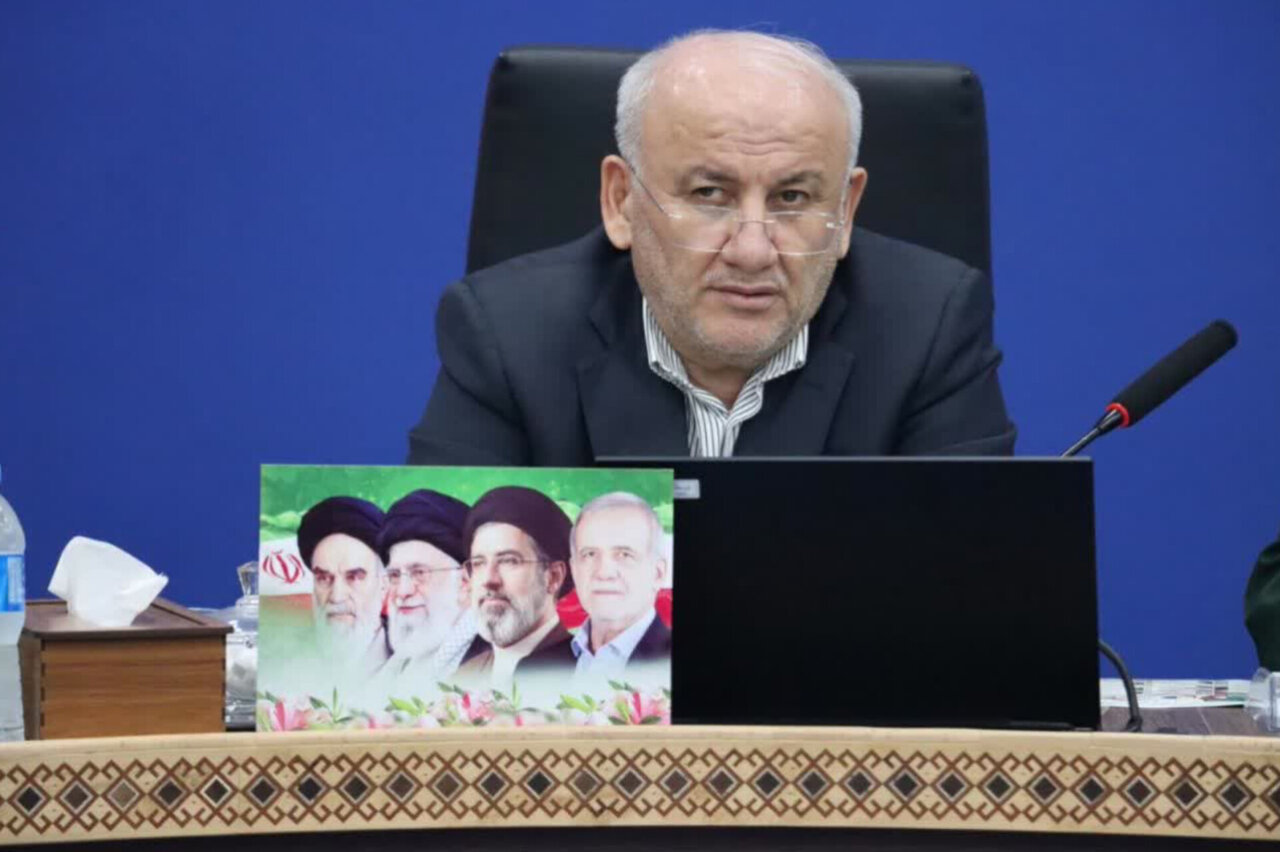

Sari — The Governor of Mazandaran, stating that unnecessary treatment costs must be reduced, warned about the high prevalence of diabetes and blood pressure in the province.
According to the Mehr correspondent, Mehdi Younesi Rostami, on Sunday morning at a ceremony honoring the benefactors of Mazandaran's health insurance field, considered health and security to be two essential components of the province's development and stated: The increase in underlying diseases, in addition to threatening citizens' health, imposes heavy costs on patients, families and the health system.
Emphasizing the necessity of cooperation among the universities of medical sciences, the IRIB and the governor's office to prevent the spread of underlying diseases, he added: Prevention and public awareness-raising must be attended to alongside the provision of treatment services, so that an increase in the number of patients and the imposition of preventable costs are avoided.
The Governor of Mazandaran, referring to the government's responsibility in providing health and treatment services for the middle- and low-income strata, stated: The governor's office will spare no effort in improving people's access to health services and reducing treatment problems.
Younesi Rostami also emphasized the necessity of reforming treatment processes, preventing unnecessary costs from being imposed on patients, and resolving the problems related to supplying the items needed by emergency patients, and called for serious attention to patients' rights in treatment centers.
Free health insurance coverage for more than one million Mazandaranis
The director general of Mazandaran Health Insurance also, at this ceremony, referring to the government's plans to reduce people's treatment costs, stated: Based on the goals of the Seventh Development Plan, the people's out-of-pocket share in health costs is to be reduced to 30 percent.
Zolfaqar Taqavi added: Increasing the insurance coverage of the country's population from 95 percent to 100 percent of Iranians by the end of the Seventh Development Plan is among the other envisaged goals in the field of health insurance.
Stating that nearly half of Mazandaran's population is under health insurance coverage, he said: About 70 percent of the province's insured population, equivalent to nearly 1,111,000 people, have been insured free of charge through the rural insurance funds and the Iranians' universal health coverage.
The director general of Mazandaran Health Insurance, referring to insurance support for infertile couples, stated: Within the framework of implementing the Youthful Population Law and supporting infertility treatment, 3,100 infertile couples have been identified and registered in the province's health insurance systems.
Taqavi continued: Also, 51 special and hard-to-treat diseases, after the disease is confirmed and the marker registered, have become subject to free insurance coverage, so that patients can benefit from the envisaged support for supplying their treatment costs.
Referring to the state of dialysis patients in the province, he noted: Six percent of the country's dialysis patients belong to Mazandaran — a statistic that doubles the necessity of attending to prevention, early diagnosis and continuous support for patients with chronic diseases.
Health Insurance Week, from the second to the eighth of Aban (October 24 to 30), coinciding with the 32nd anniversary of the establishment of the country's health insurance, is an opportunity to review the challenges of people's access to treatment services and to examine solutions for reducing health costs.
Source: Mehr News Agency
Related stories

The Latest Details on the Service-Delivery Status of Nabi Akram (PBUH) Hospital in Zahedan

Early Detection; An Effective Factor in Treating Stomach Cancer
