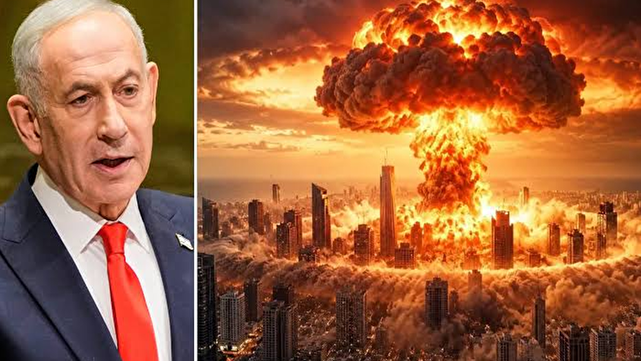
Haaretz Editor: Do Not Expect Change in Israel / The Next Prime Minister Will Also Continue Aggression and Destruction
While international public opinion and a large part of Israeli society consider Benjamin Netanyahu's defeat in the elections of Tuesday, October 27, a turning point in Tel Aviv's domestic policies, Aluf Benn, editor of the newspaper Haaretz, in a comprehensive analysis for Foreign Affairs magazine, explained that the coming to power of his main rival, Gadi Eisenkot, will also create no tangible change in the regional approach, the occupation and foreign policy; because all the main Jewish parties (from the far right to the centrists) have a fundamental consensus on negating the two-state solution, the necessity of continuing the military attacks against Gaza and Lebanon and weakening Iran's nuclear program, and their differences are summed up solely in the implementation tac
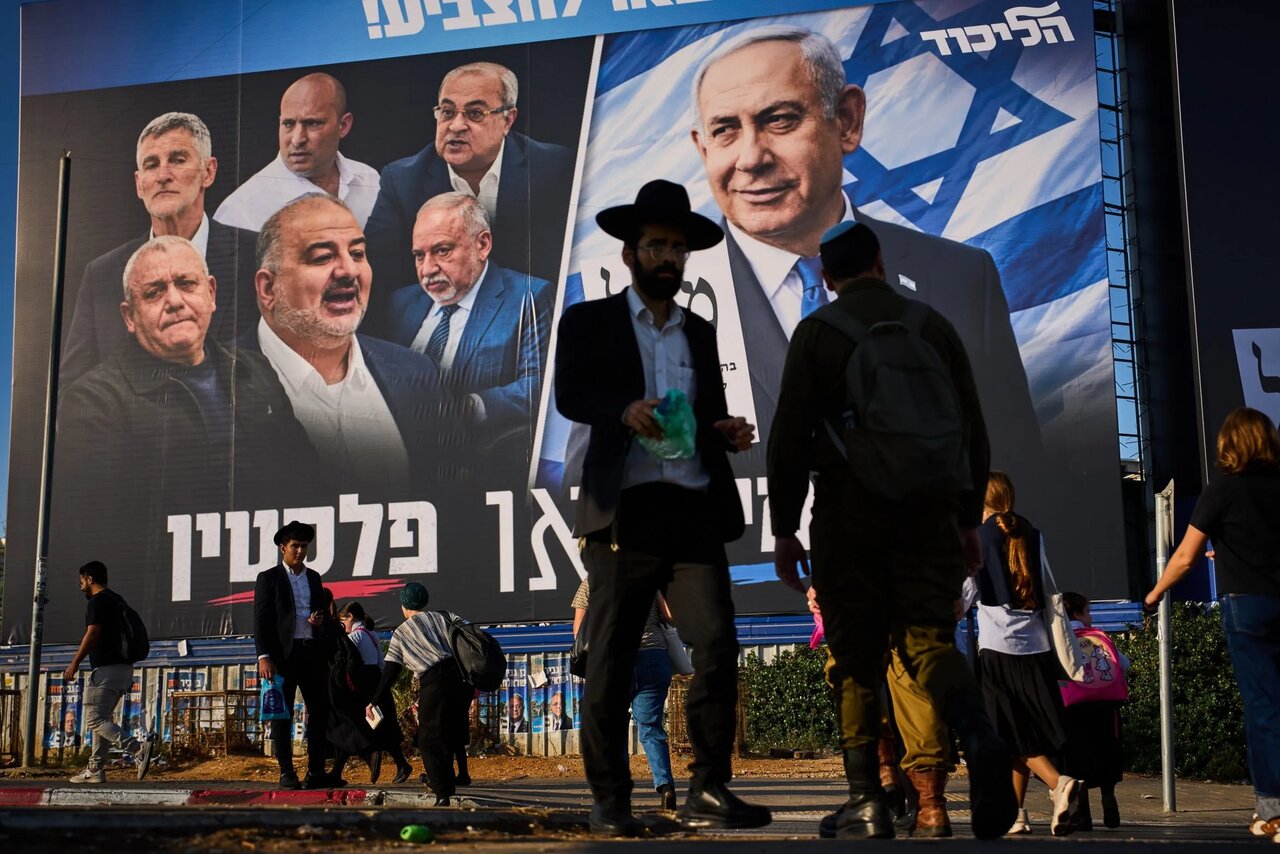

While international public opinion and a large part of Israeli society consider Benjamin Netanyahu's defeat in the elections of Tuesday, October 27, a turning point in Tel Aviv's domestic policies, Aluf Benn, editor of the newspaper Haaretz, in a comprehensive analysis for Foreign Affairs magazine, explained that the coming to power of his main rival, Gadi Eisenkot, will also create no tangible change in the regional approach, the occupation and foreign policy; because all the main Jewish parties (from the far right to the centrists) have a fundamental consensus on negating the two-state solution, the necessity of continuing the military attacks against Gaza and Lebanon and weakening Iran's nuclear program, and their differences are summed up solely in the implementation tactics and the manner of diplomatic interaction with the West.
According to KhabarOnline, Aluf Benn, editor of the newspaper Haaretz and senior researcher at the University of Toronto, in an analytical note for Foreign Affairs magazine, wrote that with the approach of the voting date in Israel, a major part of the global observers are hopeful of Benjamin Netanyahu's defeat after nearly two decades of aggressive rule.
Netanyahu's era of power is known for the destruction of any prospect of peace, the expansion of hundreds of illegal settlements in the West Bank, the devastation of the Gaza Strip, the occupation of parts of the territory of Lebanon and Syria, and entering into war with Iran.
However, in the view of this senior analyst, although the victory of Gadi Eisenkot, former chief of the joint staff of the army and leader of the Yashar party, may stop the domestic threats against the independence of the judiciary, the media and public services, Tel Aviv's foreign policy and macro strategy toward the Palestinians will remain untouched.
Almost all the mainstream Jewish parties, including Eisenkot's party, are explicitly opposed to the formation of an independent Palestinian state and have deemed the extensive military aggressions on the Gaza Strip an operational necessity.
Reducing the Crisis to Blaming October 7 and Playing with the Card of the Arab Parties
In the view of the Haaretz editor, the current election campaigns, instead of presenting a clear strategy, have descended into a game of projection around the main culprit of the security failure of October 7, 2023.
The opposition camp, by recalling the facilitation of the entry of Qatari funds into Gaza, the ignoring of the intelligence warnings and the blocking of independent investigations, introduces Netanyahu as the main culprit of the killing of 1,200 Israelis and the captivity of dozens of others.
Eisenkot, who lost his son and two of his nephews in the battles of Gaza, has been Netanyahu's staunchest critic in this field.
In contrast, Benjamin Netanyahu, Israel's prime minister, has called the army and the security services the culprits of the catastrophe and has even promoted conspiracy theories such as 'betrayal from within.'
Nevertheless, both spectra agree in one racist and extremist conclusion after October 7: that the Palestinians have never been trustworthy and Israel is under the siege of irreconcilable enemies.
Netanyahu, exploiting this very psychological atmosphere, has launched a campaign to instill in the voters that any cabinet led by Eisenkot, because of the need for the votes of the Arab members of the Knesset, will be dependent on the Palestinians; a label that has placed even many liberal anti-Netanyahu supporters in a defensive position.
Convergence of Views on the War in Gaza, Lebanon and Iran
The author, by examining the security records of the candidates, shows that Eisenkot's difference with Netanyahu in the field of security is not essential but merely tactical.
Eisenkot himself claims that during his membership in the war cabinet, he supported more aggressive and deeper operations than Netanyahu's final decisions, and now promises that within 18 months he will end Hamas's presence in Gaza.
Regarding the Tehran file, Eisenkot, although he has called Netanyahu's slogan of regime change from the air 'fantasy,' insists on the necessity of air strikes to weaken the military infrastructures and on transferring the enriched uranium abroad under a strict verification regime.
Eisenkot's only behavioral distinction is his relative opposition to the unbridled violence of the extremist settlers in the West Bank and the controversial E1 project; behaviors that he has called 'Jewish terrorism' and worries that inaction toward them will light the spark of a bloody regional explosion and irreversible diplomatic isolation.
Diplomatic Tsunami and the Illusion of Deceiving the World Community with Public Diplomacy
The Haaretz editor, in the final part of his note, warned that the world community no longer accepts Israel's violence-seeking approaches.
International polls show an unprecedented fall in Tel Aviv's legitimacy and the raising of heavy accusations of genocide.
The imposition of recent financial and construction sanctions by the British government against the companies involved in West Bank settlement-building has faced Tel Aviv's banking systems with a serious crisis, and in Washington too, despite the support of Donald Trump, the US president, a growing tendency has taken shape among the Democrats and even some Republicans to cut the military blank checks to the Israeli army.
Aluf Benn concludes that Tel Aviv is at risk of losing America's traditional veto in the UN Security Council.
In his view, the right wing's longstanding illusion that the occupation can continue and world public opinion can be bypassed with propaganda tools (Hasbara) has reached a dead end; Eisenkot's possible victory may, because of the non-repetition of Netanyahu's overt lies, give Israel a temporary and short-term reprieve, but since his fragile coalition also lacks the capacity to accept the rights of the Palestinian nation, the next prime minister will inevitably continue the occupation, impose the heavy costs of diplomatic isolation and increase the armament budgets unprecedentedly; a trend that, if Netanyahu survives once again, will intensify the wave of elite migration and the flight of secular citizens from Israel.
42/42
Source: KhabarOnline
Related stories
Displaced People's Tents in Gaza Set on Fire in the Zionist Regime's Attacks
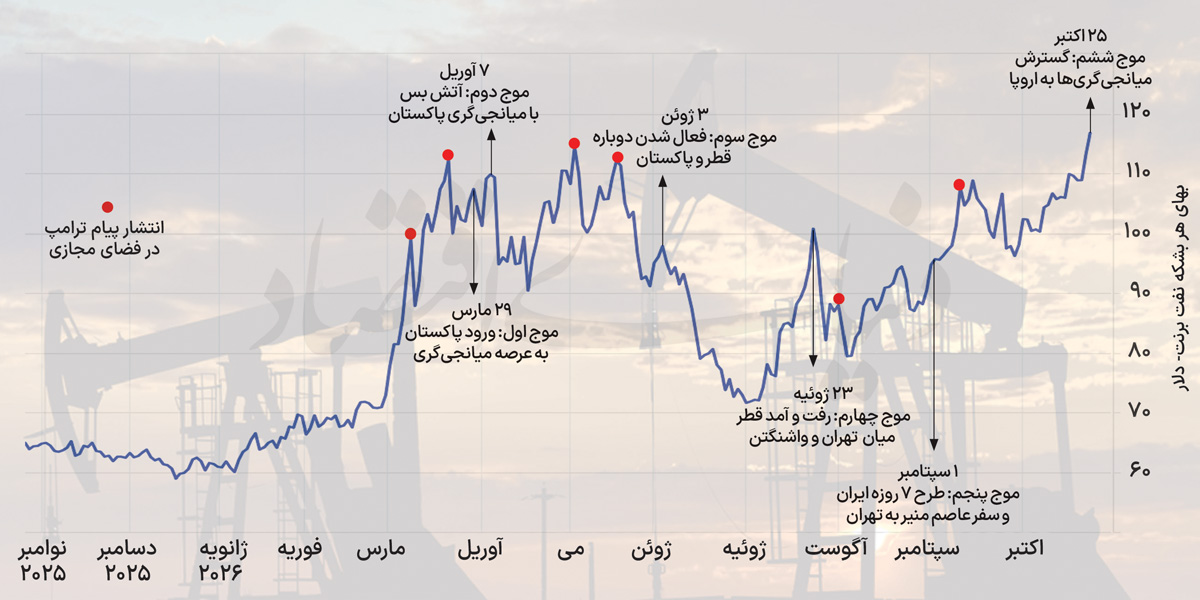
Diplomacy Driven by Oil