Electrical Implant Curbs Diabetes
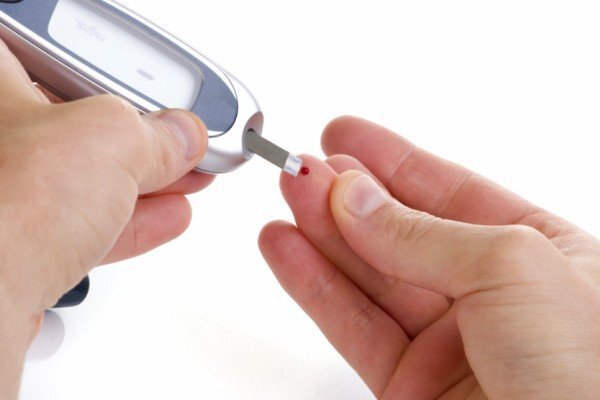
A group of researchers led by Martin Fussenegger has developed a possible method for treating diabetes.
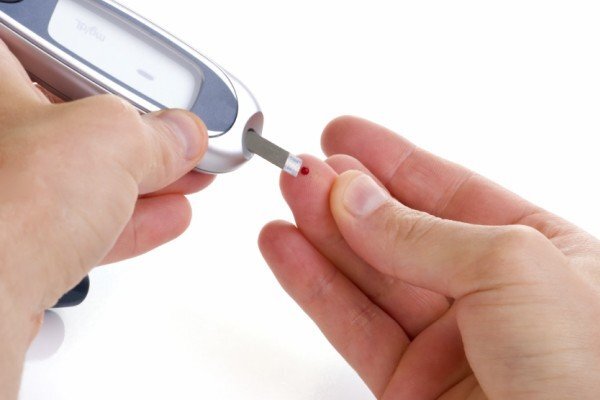
A group of researchers led by Martin Fussenegger has developed a possible method for treating diabetes.
According to Mehr News Agency, citing Phys, this method includes an implantable system that, using a catalyst activated by electricity, reduces blood-sugar glucose.
Fussenegger is a professor at the ETH Zurich institute. The findings of this team have been published in the journal Science. This group of researchers conducted research for years on examining methods for combating diabetes with systems that regulate blood sugar.
Their previous methods relied on specially developed genetic networks, but these systems rely on biological components that faced greater challenges in other areas, such as immune-system tolerance, production stability and regulatory approval.
The new system bypasses these challenges by developing a catalyst from inorganic materials that needs no cells, enzymes or other biological content. The said system is a graphite felt that is coated with gold nanoclusters. On these clusters there are even finer platinum particles.
This material had extraordinary biocompatibility in tests. The researchers themselves built the nanostructured surface of the catalyst. The said implant contains an electronic control unit that is housed in a 3D-printable casing. Power is supplied wirelessly at a frequency of 13.56 megahertz, which is used internationally for industrial, scientific and medical applications.
The said catalyst converts excess blood glucose into gluconate. This means that some of the glucose no longer participates in metabolism and is stored in tissue, and this very thing limits the accumulation of body fat. The gluconate is subsequently excreted from the body through urine.
The catalyst is controlled by a closed-loop system. A standard glucose-measuring sensor, similar to the devices fastened onto the arm of people with diabetes, continuously measures the level of glucose in the tissue.
If blood sugar rises very high after eating a meal, the sensor sends a signal via Bluetooth to a mobile phone or smartwatch. The smart device then activates the catalyst, which, using electrical energy, converts the glucose. When the glucose level reaches the desired level, the device automatically switches off to prevent a dangerous drop in the person's blood sugar.

Source: Mehr News Agency
Comments (0)
Related stories

The Latest Details on the Service-Delivery Status of Nabi Akram (PBUH) Hospital in Zahedan

Early Detection; An Effective Factor in Treating Stomach Cancer

No comments yet — be the first to share your view.