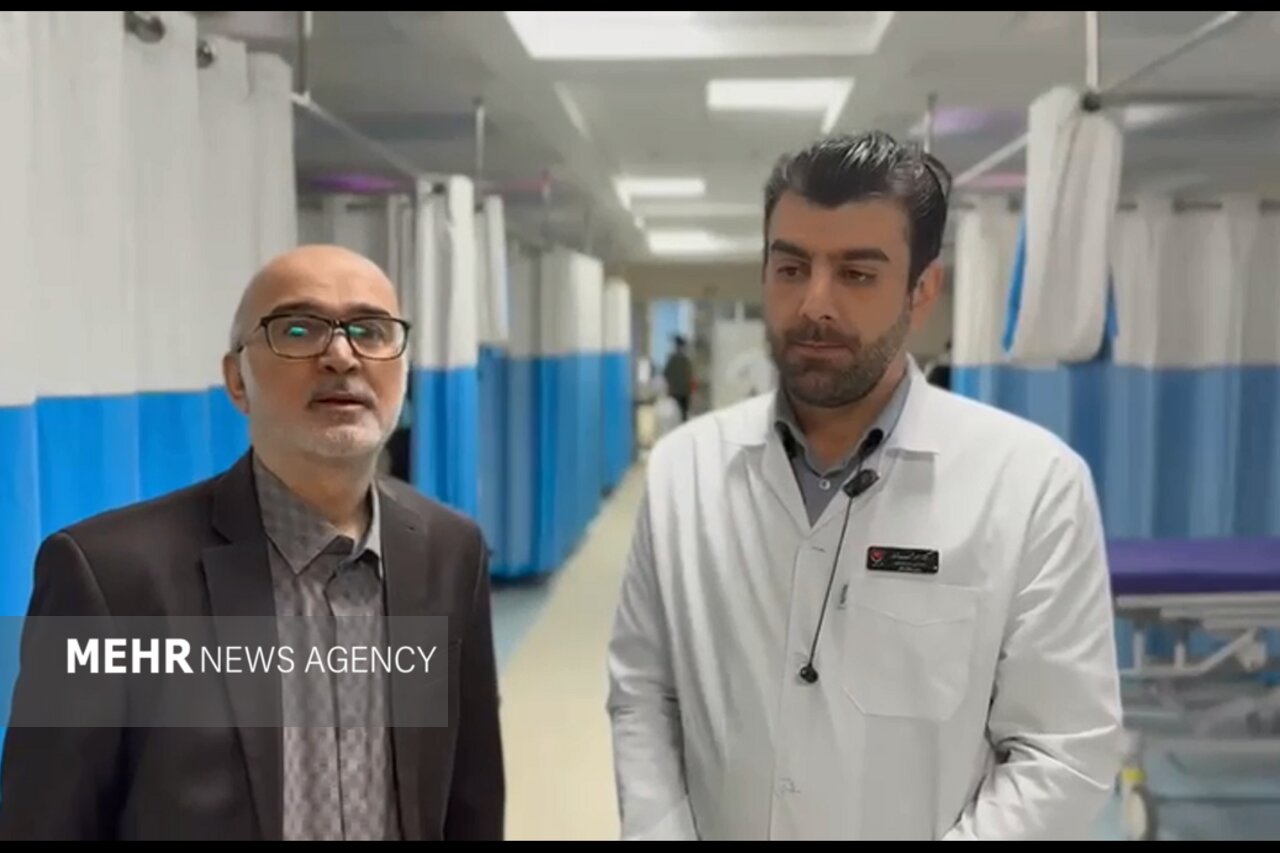
According to KhabarOnline, Hassan Nouri, deputy of the country's Emergency Medical Services Organization, pointing to the importance of prevention in medical emergencies, said: In some areas, such as reducing cancer statistics — due to genetic complexities and the presence of pollutants — we have a very difficult, time-consuming and costly path ahead. But in many emergencies and poisonings, management and treatment are not complicated, and by observing a few simple points, deaths can easily be prevented.
Around 10,000 drug and chemical poisoning cases visit emergency departments every month
Tasnim wrote in a report: Nouri, referring to the poisoning statistics in pre-hospital emergency care, said: On average, about 10,000 people injured by drug and chemical poisonings visit emergency departments each month. Although this figure may not seem very large compared with the total volume of 115 emergency operations, since all of these cases are preventable, it is considered a very important statistic.
Poisonings that are seasonal in nature
The deputy of the country's Emergency Organization stated: In addition to drug poisonings, some poisonings are seasonal in nature. For example, in April and May we face a dramatic increase in poisoning from toxic mushrooms, which mostly occurs due to citizens' unawareness in picking and consuming wild mushrooms from nature, and the way to prevent it is very simple and limited to consuming industrially produced, packaged mushrooms.
He added, referring to the start of the cold season (from October to April) and the peak of carbon monoxide poisonings: Carbon monoxide is a colourless, odourless and tasteless gas, so no one who is exposed to it will notice the presence of this gas.
Similarity of gas poisoning symptoms to the common cold
Nouri listed the dangers of this poisoning in 2 very serious areas, the first of which is the similarity of its symptoms to cold symptoms, and said: Lethargy, nausea, vomiting, dizziness and drowsiness are the early signs that are usually not taken seriously or are mistaken for a cold.
He continued: The second is the impairment of judgment and decision-making; this gas, by weakening the nervous system, disrupts a person's power of judgment, so that the injured person loses the ability to make the right decision to save himself or to ask for help.
A strange call to the emergency services
The deputy of the country's Emergency Organization, citing a real example of emergency calls, said: Some time ago, a person called 115 and calmly reported that his son had fallen off the sofa, that his nose was injured and bleeding. During the conversation, the emergency colleagues noticed the person's impaired speech and judgment, and when they asked what had happened to the other members of the family, the caller said in confusion that his wife was frightened, had fainted, and perhaps had had a seizure.
He added: Fortunately, the alertness of the emergency expert made him realise the severe carbon monoxide poisoning of the whole family. The emergency team, together with the fire brigade and the police, were dispatched to the scene and, while all 4 members of the family were unable even to answer the phone or open the door due to their lowered level of consciousness, they were rescued at the last moments. If this call had been made only 5 to 10 minutes later, an irreparable disaster would have occurred.
830 people fell victim to gas poisoning last year
Nouri, referring to last year's bitter statistics, said: Unfortunately, last year 830 people and the year before that 857 people lost their lives due to carbon monoxide poisoning. 92 percent of the poisonings that led to an emergency response occurred in homes, and half of these cases were caused by a defect in a water heater or a heater.
People's important and deadly mistake during gas poisoning
The deputy for education of the country's Emergency Organization stated: Using flueless heaters in children's bedrooms, or people's early return to a contaminated environment after one round of mild poisoning — which has sometimes led to the collective death of 3 members of a family — shows unawareness of the dangers of this hidden enemy. Even in travel tents, in the cold season we witness these bitter incidents due to the use of flame-emitting devices for heating.
He considered one of people's common mistakes to be contenting themselves with opening a window, and continued: The binding power of a carbon monoxide molecule to the blood's haemoglobin is about 250 to 300 times greater than that of oxygen. By opening a window and breathing fresh air, the carbon monoxide bound to the blood does not separate quickly, and the person gradually moves towards a coma. Therefore, until the fire brigade or safety experts have declared the environment safe, one must not return to the scene of the incident.
Nouri in conclusion asked citizens to prevent bitter and irreparable incidents at the start of the cold season by taking the warnings seriously.
Source: KhabarOnline