The Series "Tida" Was Made with Artificial Intelligence; a Science-Fiction Tale
The writer of the series "Tida", referring to the help taken from artificial intelligence in this work, spoke of its atmosphere and details.
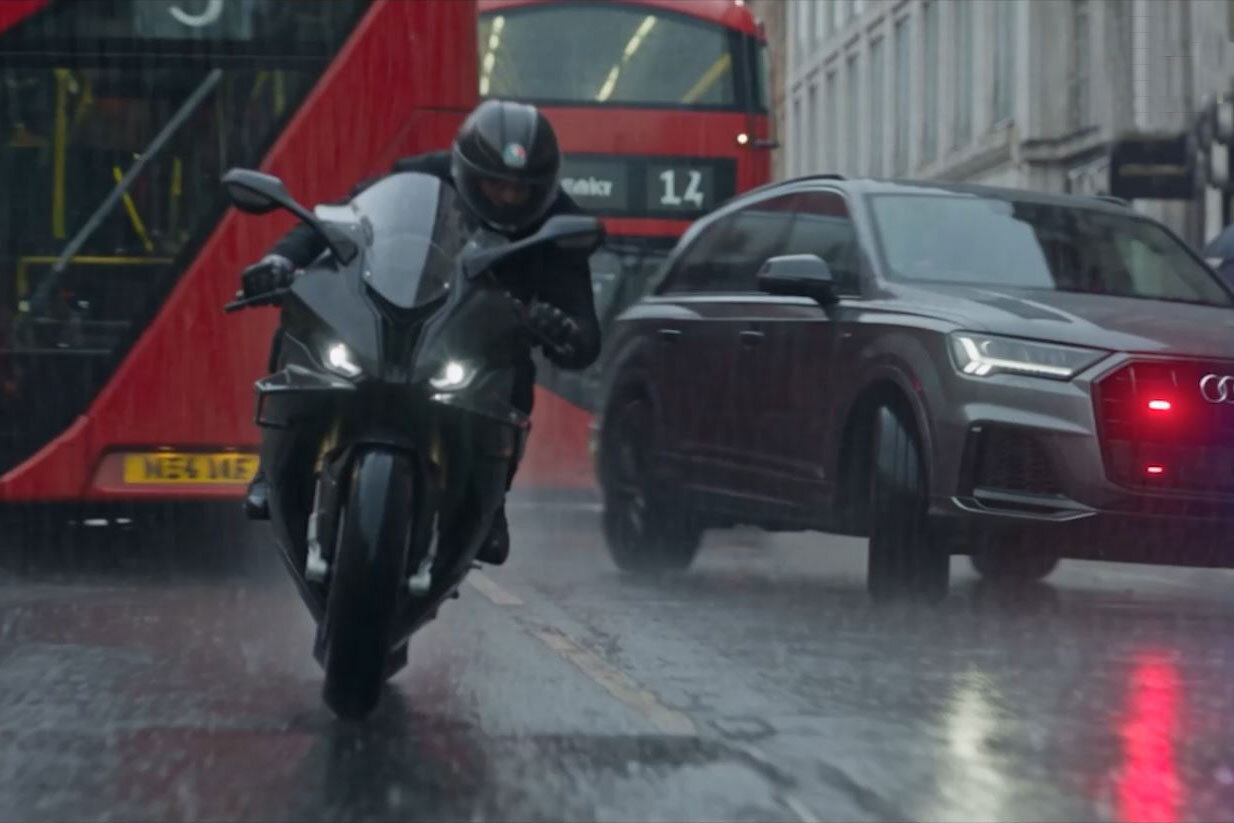
The writer of the series "Tida", referring to the help taken from artificial intelligence in this work, spoke of its atmosphere and details.
Saeed Safarpour, the originator of the idea, executive producer and writer of the science-fiction series "Tida", explaining the idea behind the formation of this series and how artificial intelligence was used in its production, told a Mehr reporter: In this series, technology is not supposed to take the place of drama and characterization; rather, "Tida" has been shaped out of concerns about war, power, human responsibility and the boundary of trust in artificial intelligence.
Explaining the idea behind the formation of this series and the roots of its story, he said: The roots of "Tida" go back to the experience of war and the feeling of helplessness of ordinary people. When the war between Iran and America happened, I saw my country being bombed and the lives of ordinary people exposed to threat, while they have no role in political decision-making.
About how this experience turned into a science-fiction story, this writer explained: For me, this question arose: can the owners of power and politics decide about who should live and who should die? Time travel also creates this possibility to ask whether, if a person could see the consequences of their own decisions, seeing those consequences could change their responsibility and choice or not.
Safarpour, in another part, about the place of artificial intelligence in the story and the mysterious character Tida, stated: Tida selectively places information at the disposal of the main character and conceals part of its goals. For me, it was important that the main issue be the boundary of human trust in artificial intelligence; whether artificial intelligence can prevent a disaster or itself become a factor in creating a great disaster.
This producer also explained about the narrative structure of "Tida" and the use of the components of the science-fiction and espionage genres: We have used the well-known rules of these genres; from the manner of distributing information to suspense and the gradual disclosure of truths. But for me it was important that every disclosure not be merely to surprise the audience and that it affect the characters' relationships and their choices.
In explaining the difference between "Tida" and a purely science-fiction narrative, he pointed to the personal aspect of the main character and added: The main character in this series has been unable to save the closest person in his life, and this very issue causes his effort to save others not to be merely a heroic mission, but to become a personal matter.
Safarpour, in another section, about the use of artificial intelligence, stated: For me, drama and the needs of the character and the cause-and-effect logic of the story have always been the priority. Merely because artificial intelligence can produce attractive or extensive images, we did not take the story toward a direction it does not need.
This writer continued: The character must want something, encounter an obstacle, and their choices must have consequences. The scale of the story's world and even the action scenes must also emerge from the needs of the story itself. Technology cannot take the place of believable character motivation and narrative logic.
Safarpour, in conclusion, referring to the fact that screenwriting for production based on artificial intelligence has different rules, said: The principles of screenwriting do not change with a change of the production tool. In my style of writing, from the very beginning I pay attention to details such as movement, sound, light and atmosphere. The main difference is at the stage where this writing must be turned into an image, and for its execution, a suitable combination of shots and production method must be found.

Source: Mehr News Agency
Related stories
Benjamin Netanyahu Publishes Image of a Nuclear Explosion over Tel Aviv
Invention of a wearable system to teach human movements to robots