The Link Between Heart Disease Risk from Early Menopause and Blood Sugar
A new study says women who enter menopause earlier than usual may be at greater risk of heart problems, part of which is due to higher blood sugar levels.
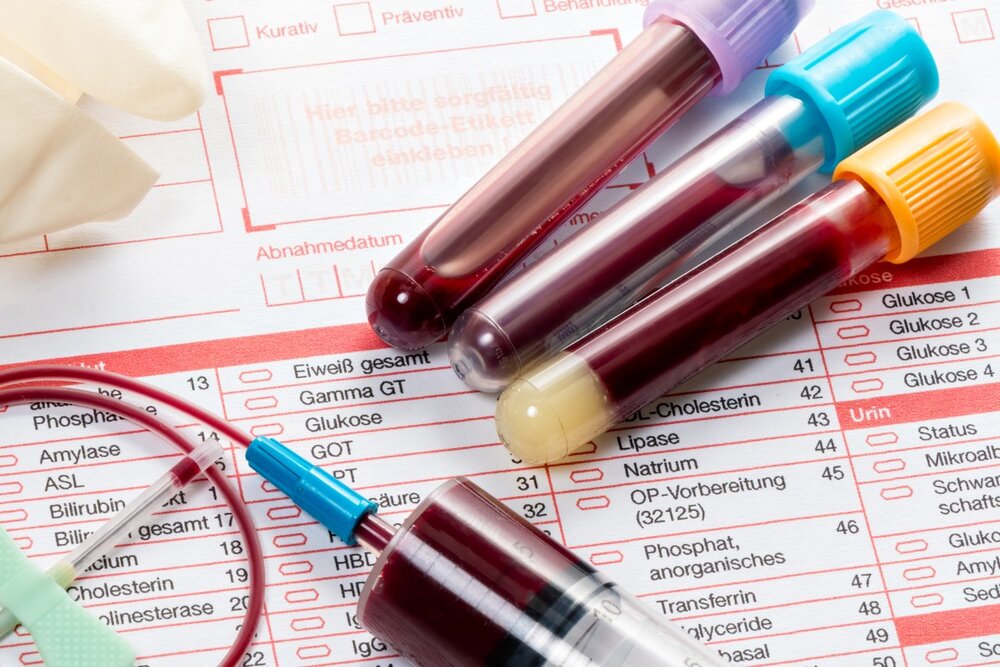

A new study says women who enter menopause earlier than usual may be at greater risk of heart problems, part of which is due to higher blood sugar levels.
According to Mehr News Agency, citing Medicine Net, researchers reported that women whose menopause occurred before age 40 face higher rates of heart disease and insulin resistance.
“Xiaoling Xing,” senior researcher and assistant professor of epidemiology at Florida A&M University, said at a press briefing: “Our findings show that insulin resistance may be one of the important pathways linking early menopause with increased risk of cardiovascular disease, and highlight the importance of cardiometabolic health in women who experience menopause before age 40.”
Researchers said in background notes that about 1% of women experience early menopause, and it is now known that they are at greater risk of problems such as heart disease and osteoporosis.
For the new study, they followed more than 4,700 women aged 45 to 64 who had already experienced menopause, to examine factors that might help explain the link between early menopause and heart disease.
The results showed that early menopause, compared with menopause at age 45 or later, is associated with a 19% increase in the risk of cardiovascular disease and a 30% increase in the risk of coronary heart disease, but not stroke or heart failure.
The researchers said early menopause was also associated with a 9% increase in insulin levels, which accounts for about 19% of its association with heart disease. On the other hand, early menopause between ages 40 and 44 was not associated with any increase in the risk of heart health problems.
Dr. “Stephanie Faubion,” medical director of the Menopause Society, said: “Women who experience menopause before age 40 face a greater risk of cardiovascular disease, but the reasons for this increased risk are not fully understood.”
Faubion said in a press statement: “This study shows that insulin resistance may be one of the biological pathways involved. A better understanding of these mechanisms may help identify opportunities for early intervention and more personalized strategies to reduce long-term cardiovascular risk in women with early menopause.”
Source: Mehr News Agency
Comments (0)
Related stories

Genetic evidence does not confirm the relationship between vitamin D levels and celiac disease


No comments yet — be the first to share your view.