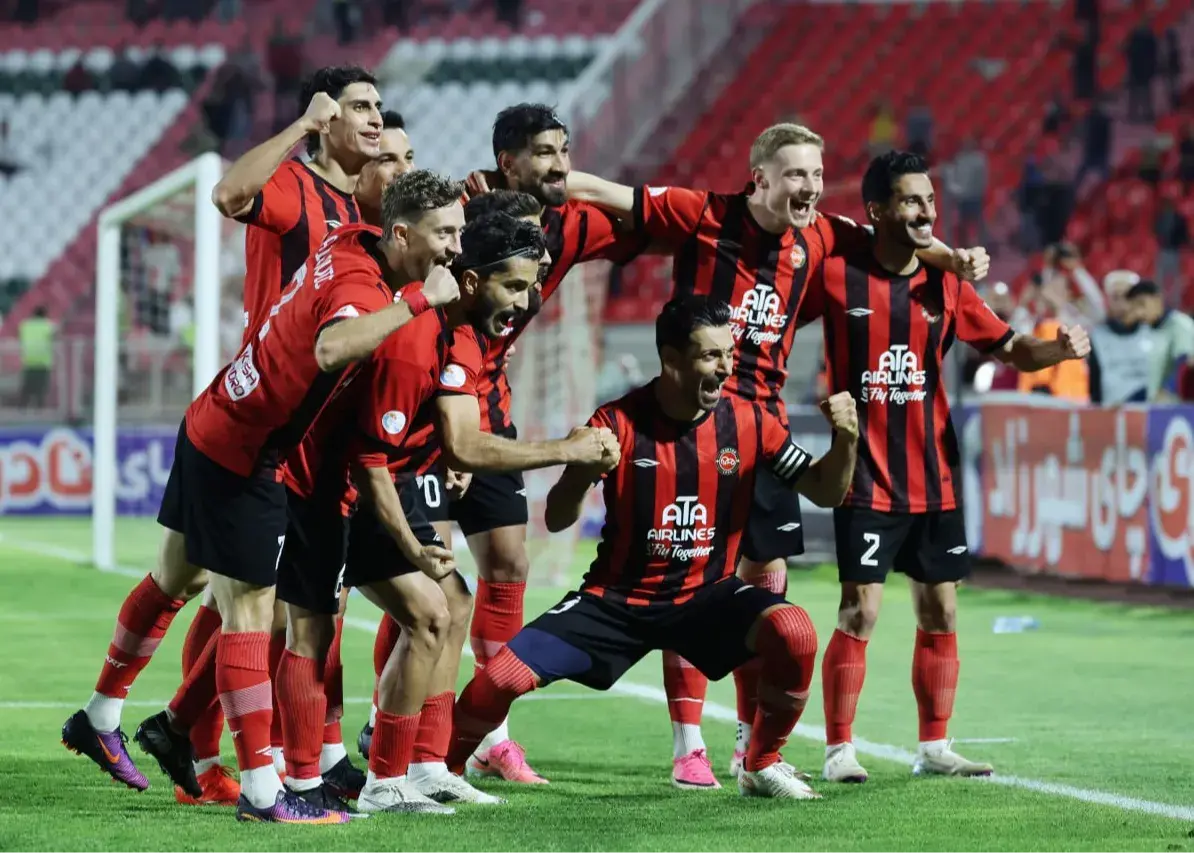
According to "Varzesh 3", Tractor returned to the title race and the winning track by defeating Sanat Naft, a victory that, beyond the three points, showed signs of a shift in the team's tactical status. The performance of Nekounam's charges in Tabriz revealed several important points that can influence a more accurate assessment of Tractor's performance after navigating a few difficult weeks. These signs can be analyzed in two parts. First, Nekounam's renewed loyalty to his footballing ideas and his team's ability to control the flow of the match without straying from his preferred principles of play, and second, securing three crucial points through the proper and intelligent use of the available resources and capacities within the squad.
Tractor played football with patience and tactical poise against Sanat Naft. Seventy-one percent ball possession and 774 completed passes with an 85 percent accuracy rate show that Nekounam's team, instead of rushing to finish attacks and quickly reaching the opponent's goal, emphasized retaining the ball, continuous circulation, and finding appropriate routes for penetration. With numerous passes in the opponent's half, Tractor not only took control of the game but also managed to create continuous pressure on Sanat Naft's defensive structure. The high volume of passes alongside 15 shots and an expected goals (xG) of 2.77 indicate that ball possession for Tractor was not merely a tool to control the match or reduce the threat of opponent attacks, but actually led to the generation of scoring opportunities. The important difference lies right here; that ball circulation ultimately ends in threatening the opponent's goal, and the team is able to translate superiority in possession into superiority in chance creation. This is the very purposeful possession that can be a sign of significant progress in Tractor's execution of Nekounam's attacking ideas.

Nekounam's team played football against a major football myth in the tenth week. Three goals scored were only part of the value of this victory for Tractor fans. A team that enjoys 71 percent possession and registers an expected goals close to three demonstrates that it has been able to convert its dominance of the match into serious scoring chances. More importantly, against Sanat Naft in the attacking phase, Tractor displayed diverse football, and their attacks were not limited to a specific and predictable pattern. Reviewing the team's chances reveals the differences in the nature of their attacks—whether using the flanks to unlock the opponent's defensive structure or targeting the heart of the defense to find scoring opportunities. This variety is of great significance, as one of the challenges for possession-based teams is getting bogged down in low-impact ball circulation against compact defenses. In this match, Tractor showed that by changing the path of attack and utilizing different spaces, it can move beyond mere possession and become a team with a greater threatening capability.
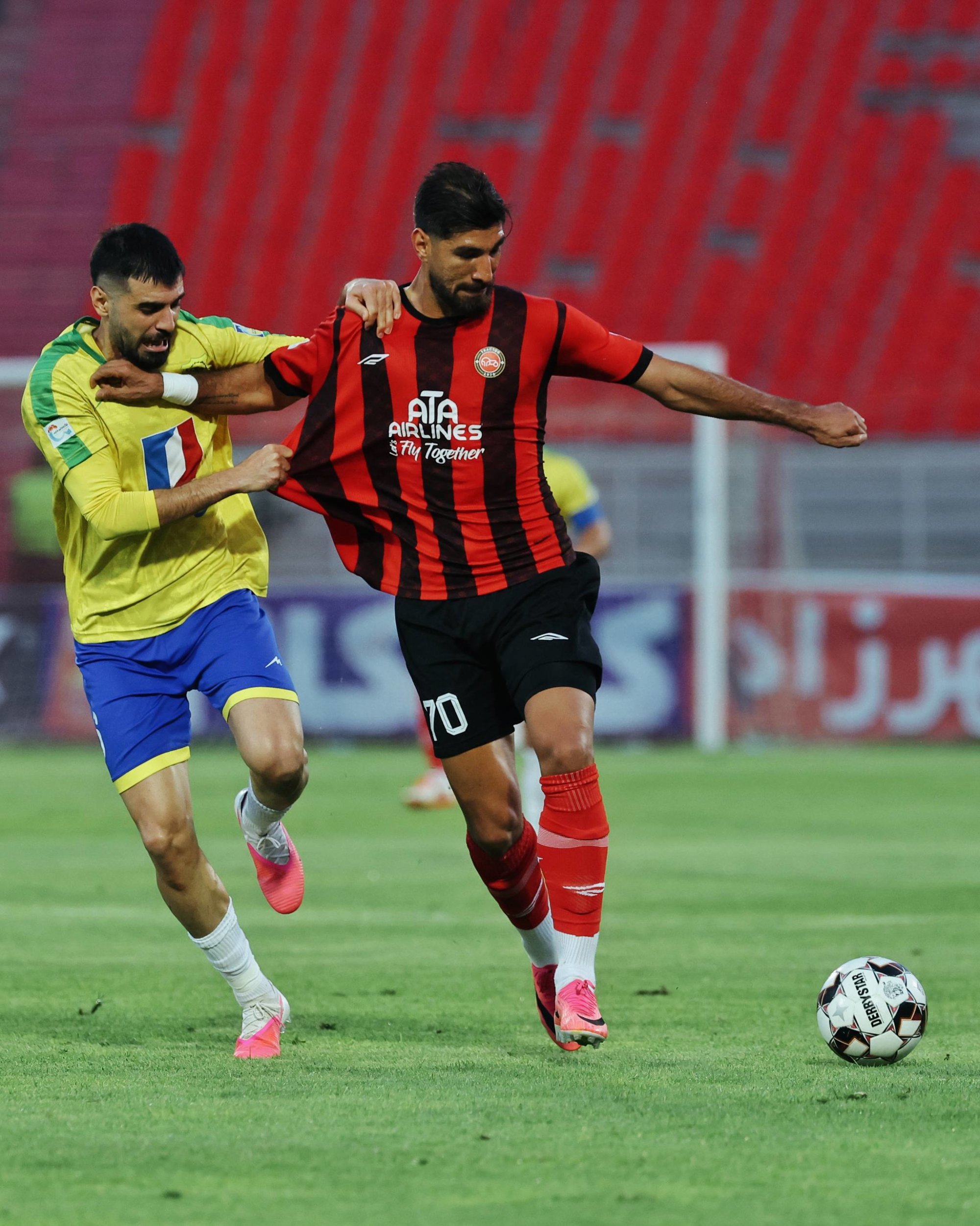
An important part of the credit for this win goes back to a major change in Tractor's tactical structure. After the FIFA international break, Tractor changed its system, and Nekounam has now been fielding his team with three specialized center-backs for a few weeks. An idea whose implementation was largely influenced by the squad's personnel situation. The injury to Mehdi Torabi and the continued absence of Mehdi Hashemnejad from the lineup limited Nekounam's options in using certain previous patterns and pushed him toward adopting a different structure. However, the important point is that this change remained more than just an emergency reaction to player absences and gradually transformed into a solution for creating better balance within the squad. A system that, after a few weeks of trial and error, yielded its best result in the match against Sanat Naft. Deploying three specialized defenders allowed Tractor, alongside maintaining relative defensive security at the back, to create greater freedom of movement for wing-backs and involve more personnel in the attacking phase. Of course, the impact of Nekounam's substitutions should not be overlooked. Bringing on Masoud Zaeir-Kazemi on the left flank to exploit spaces in counter-attacks and introducing young Amirali Khorrami in the final minutes of the second half as a midfielder with the ability to develop play and participate in building attacks from midfield brought significant advantages to the team. These changes showed that Nekounam, in addition to correcting the initial structure, has tried to provide himself with more tools to manage the flow of the match by utilizing his players' diverse attributes.
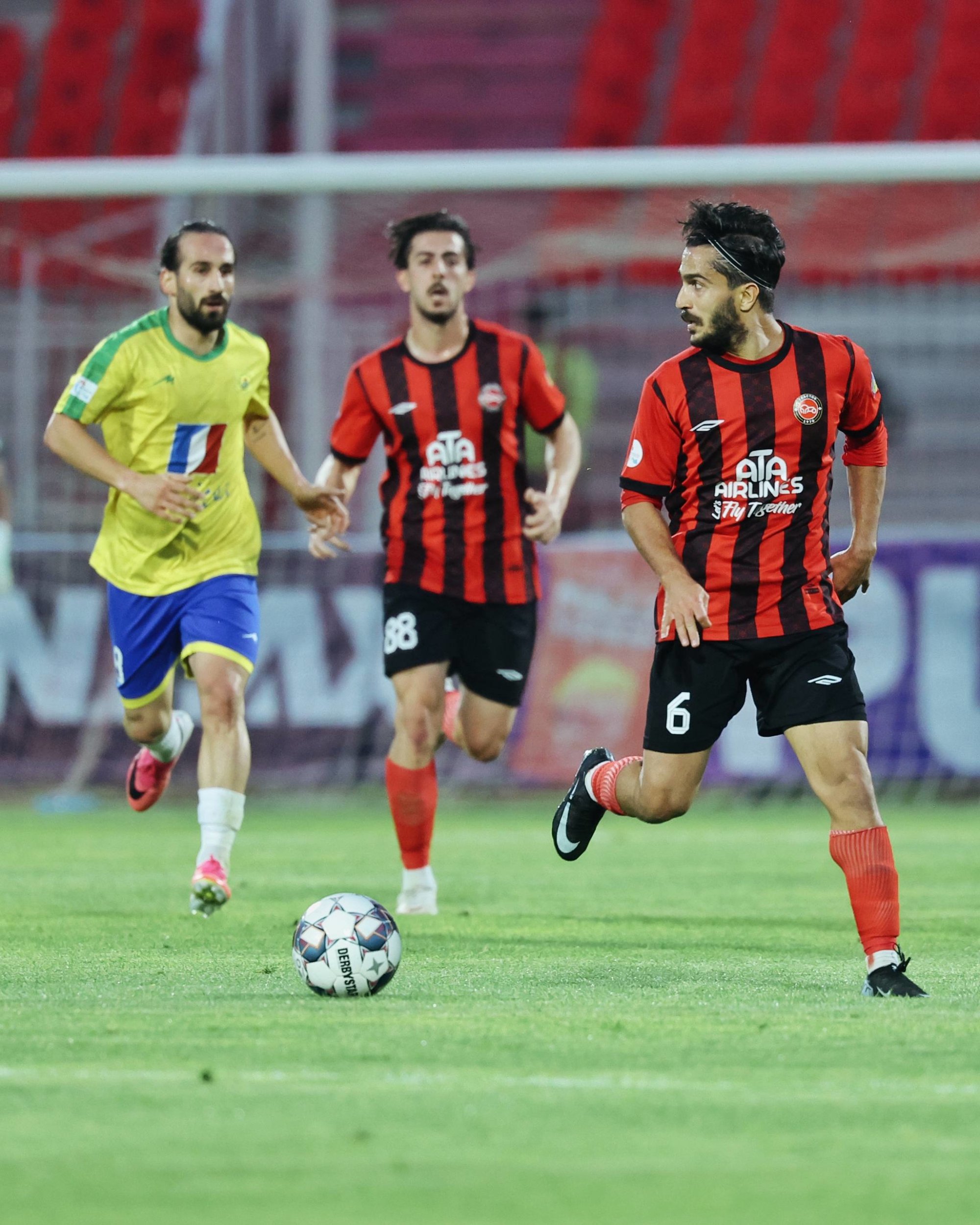
In any case, by properly utilizing the existing capacities and tools, Tractor managed to achieve relative balance in its squad and cover some of the weaknesses stemming from structural misalignment, insufficient balance between lines, and the players' physical issues. The importance of this victory lies precisely in this point: that Nekounam, without having all his desired players at his disposal, managed to find a way to preserve the team's footballing identity and increase its efficiency.
Of course, one successful performance against Sanat Naft is not enough to draw a definitive conclusion about the resolution of Tractor's problems. A sterner test awaits the team in their next match against the multinational Al Ain, one of the serious contenders for the title in the AFC Champions League Elite. This match will likely feature a different level of pressure, opponent quality, and tactical conditions, which can better determine the sustainability of Tractor's new setup. Nonetheless, this game will also form an important chapter in Tractor's technical evolution.
Source: Varzesh 3