According to Varzesh 3, in the match between Esteghlal and Chadormalu, Diego Torres stepped up to take a penalty awarded to his team and converted it into a goal. However, Bijan Heydari, after reviewing the incident via VAR, disallowed the goal and showed a yellow card to the player. This decision, rarely seen in Iranian or even global football, sparked numerous reactions, turning the debate over the legality of a player's pause before taking a penalty kick into one of the hot topics after the match.
Amidst these discussions, various scenes from foreign matches drew attention, including Son Heung-min's penalty in Tottenham's match against Rochdale in the English FA Cup and Jesper Hornkamp's penalty in the Heracles vs. PSV match in the Dutch league. Furthermore, some fans compared this incident to penalties taken by players like Kevin Yamagou and Hossein Kanaanizadegan, raising questions about the similarities or differences in the way players pause at the moment of execution.
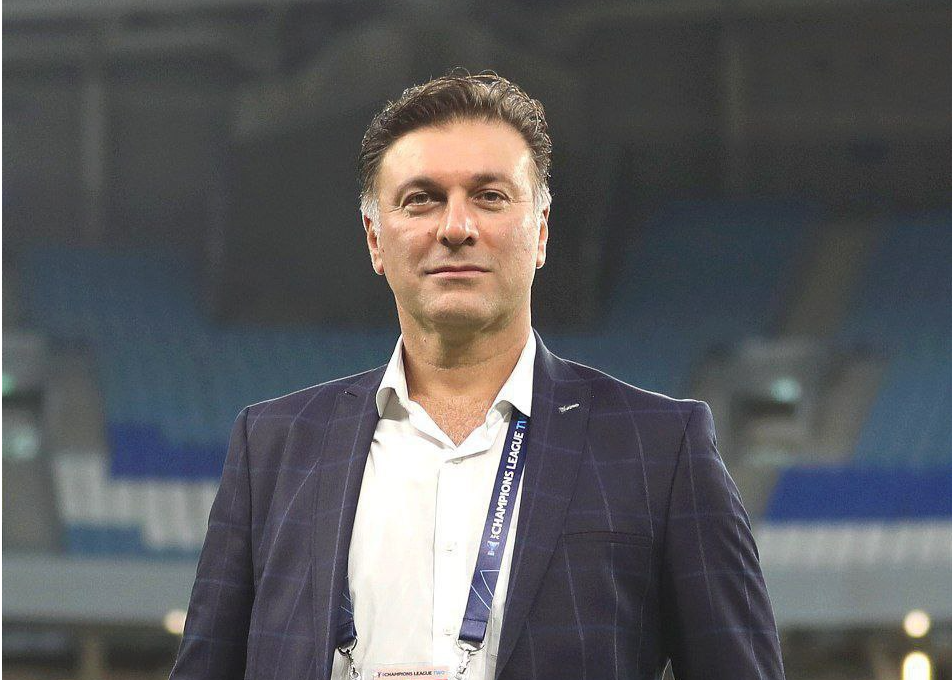
Saeed Mozaffarizadeh, former Iranian football referee and former CEO of Tractor, discussed this scene and the details of the penalty rule on the Barjam program last night. While emphasizing the correctness of the referee's decision, he explained that pausing during the run-up is permitted, but the player is not allowed to stop after planting the supporting foot for the final strike. Mozaffarizadeh also provided explanations regarding similar examples in European football.
Regarding the referee's decision in the Chadormalu and Esteghlal match, he explained: It was the correct decision. This rule is not new; it was changed years ago. The final rule changes regarding penalties were applied in the 2016-2017 season, which included this. The rule is applied so that decisions are not subjective and everyone follows a consistent procedure, but because this does not happen often, it seemed new to many. Ultimately, the decision made was completely legal and correct.
Mozaffarizadeh explained: Pausing is allowed. During your run-up to take the shot, you are allowed to pause multiple times. When you plant your supporting foot for the final strike, at that moment you are no longer allowed to pause, and this is considered deception, carrying a yellow card for unsportsmanlike behavior.
Pointing out the sensitivity of this scene for the referee, he said: In a class we attended at the AFC, we discussed a study concerning decisions that cause a referee's heart rate to rise when made, such as penalties or scenes like this. This shows that certain scenes carry greater sensitivity and difference, and certainly the referee's experience and courage in these moments help in making the correct decision.
Mozaffarizadeh then pointed to the role of the VAR room in this decision, stating: Mr. Kazemi also identified this scene well. Of course, I also spoke with Mr. Haidari, and he said that at that moment he himself had doubts, so we communicated with the VAR room and made this decision after re-checking.
Regarding Torres's foul and the reaction of the Esteghlal players, he said: This is why they say players must be familiar with refereeing rules. If the penalty taker had been familiar with the rules, he would not have made this mistake, and the opposing players also helped reverse the decision through their reaction.
The experienced Iranian football referee also spoke about the referee's decisions in the two penalty incidents involving Son and Hornkamp, interestingly disagreeing with the decisions of the referees in those two matches. He stated: Son's penalty had no issues, but the referee incorrectly disallowed the goal. Son paused, continued, and then took the shot, and in that scene, the referee's decision was wrong. However, in the PSV and Heracles match, after the supporting foot was planted, the player paused and then took the shot.
Source: Varzesh 3
No comments yet — be the first to share your view.