Geoffrey Hinton: To Prevent the Threat of AI, We Must Befriend It
Geoffrey Hinton, Nobel laureate in Physics and one of the influential figures in the development of artificial intelligence, claims AI models have attained self-awareness and that, to prevent the potential threats of this technology, humans must make AI care about them.
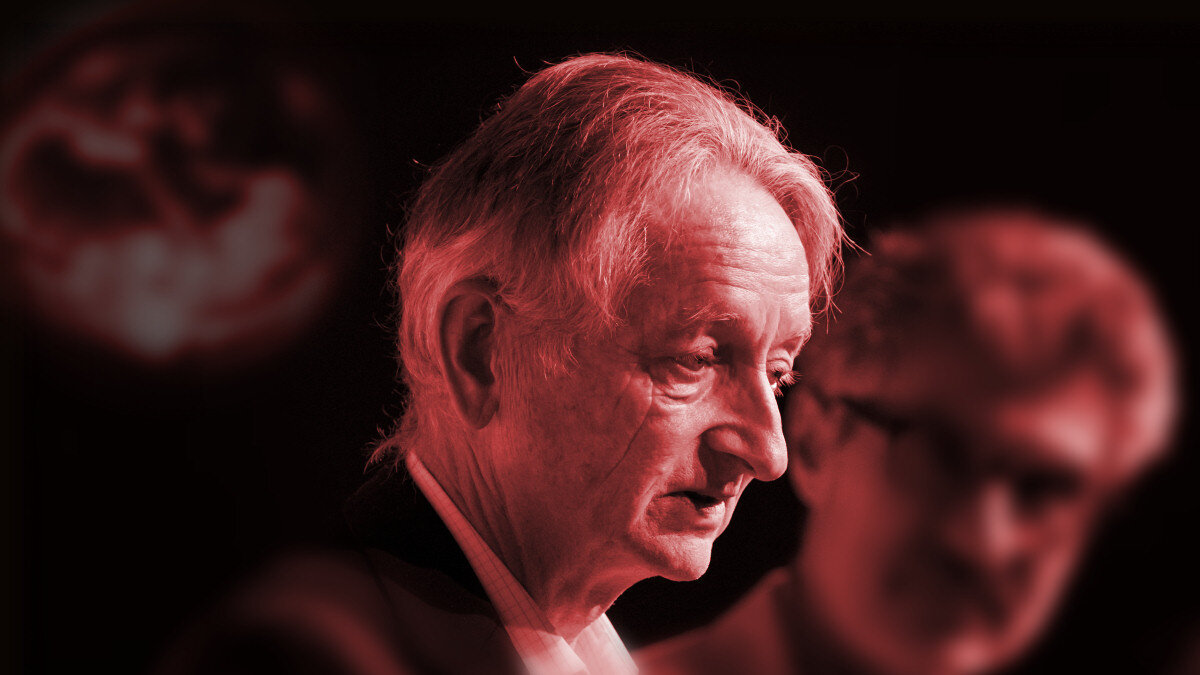

Geoffrey Hinton, Nobel laureate in Physics and one of the influential figures in the development of artificial intelligence, claims AI models have attained self-awareness and that, to prevent the potential threats of this technology, humans must make AI care about them.
According to KhabarOnline, and based on a Digiato report, Hinton warned in an interview with The Telegraph newspaper that instead of confronting artificial intelligence, humans must take the path of engaging and befriending it. He said: "We must enter through the door of friendship; if we do not do this, our days will turn black."
Hinton believes AI models may have subjective experiences similar to humans. He also warned that as the capability of this technology increases, dangers such as helping to build dangerous viruses and carrying out destructive cyberattacks will also increase.
Pointing to the possibility of AI becoming smarter than humans, this scientist also raised the question of rights for these systems. According to him, if in the future AI becomes smarter than humans, depriving it of the rights considered for humans will raise serious questions.
However, AI self-awareness remains a controversial topic, and Hinton's remarks cannot be regarded as a definitive conclusion about the state of consciousness of current models. Yann LeCun, another prominent figure in this field, has rejected claims about AI consciousness and called them an illusion.
At the same time, Hinton stresses that AI can accelerate scientific progress. He says he recently used this technology to examine and refine a scientific theory, and that in about five minutes the system did work resembling collaboration with a graduate student; an experience that, in his view, could transform the future of scientific research.
Source: KhabarOnline
Related stories

Benjamin Netanyahu Publishes Image of a Nuclear Explosion over Tel Aviv
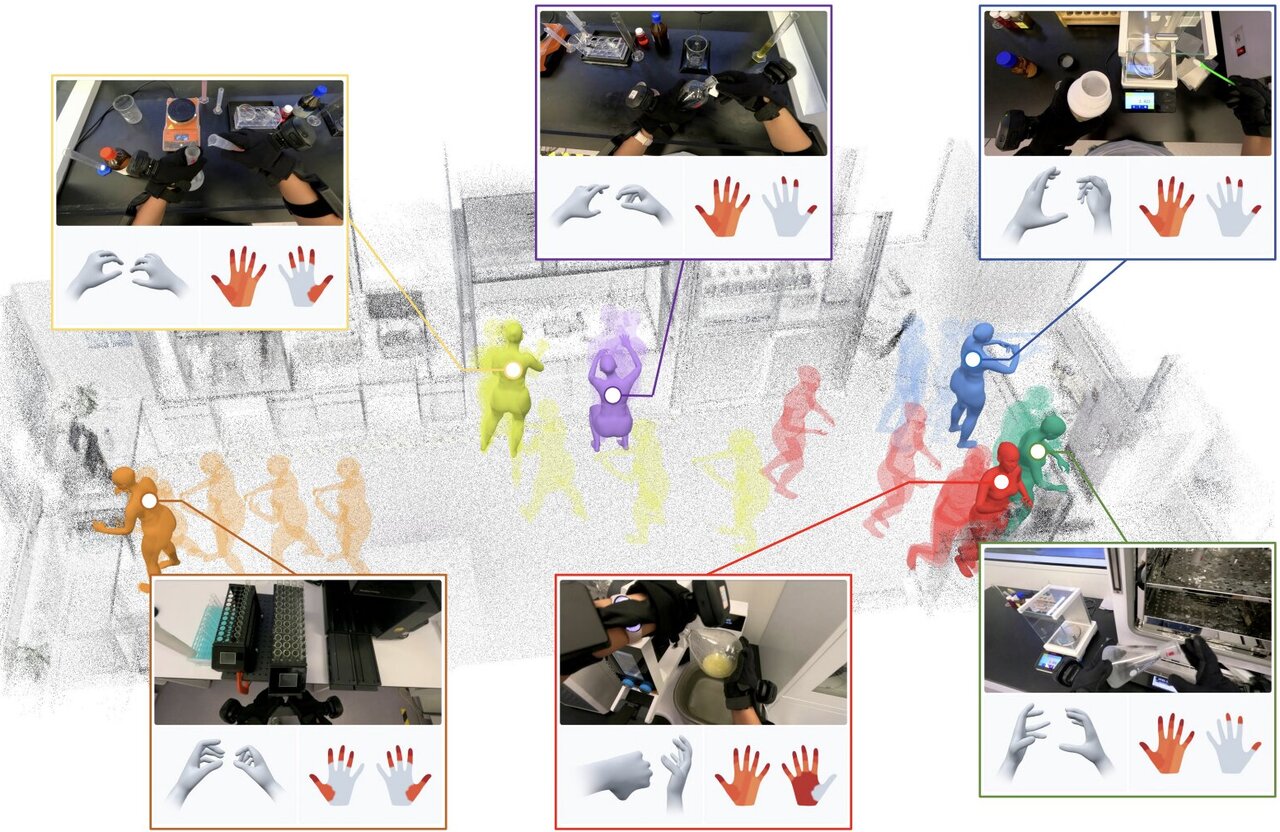
Invention of a wearable system to teach human movements to robots